The Influence of Social Media in Film Promotion: New Digital Marketing Strategies

The Transformative Power of Social Media in Film Promotion
The digital age has ushered in a new era for filmmakers, drastically altering how movies are marketed and promoted. Social media platforms like Facebook, Instagram, Twitter, and TikTok have transformed traditional methods of advertising into vibrant, two-way conversations that facilitate direct engagement with audiences. This shift has opened a plethora of innovative tools that allow filmmakers not only to showcase their work but also to cultivate communities of dedicated fans around their projects. In this evolving landscape, understanding the mechanics of digital marketing is essential for any filmmaker aiming to reach their audience effectively.
Harnessing the Power of Word-of-Mouth
One of the most significant advantages of social media is its ability to amplify word-of-mouth marketing. Film projects can utilize user-generated content to create buzz and excitement. This is realized through several key strategies:
- Targeted Advertising: Filmmakers can tailor their promotions to reach specific demographics by analyzing data related to film preferences and viewing habits. For example, a horror film can target younger audiences who frequently engage with horror-related content, maximizing the campaign’s impact.
- Engagement with Fans: Direct interaction with fans through Q&A sessions on platforms like Instagram Live or Twitter Spaces can humanize the filmmakers and actors, fostering a deeper connection. Sharing behind-the-scenes footage not only excites viewers but also offers an inclusive look at the filmmaking process.
- Influencer Collaborations: By partnering with social media influencers who resonate with their target audience, filmmakers can greatly enhance their reach. For instance, a popular movie might collaborate with a well-known YouTuber to create content that appeals to their substantial following.
Creative Showcase of Film Content
Social media platforms allow filmmakers to showcase their work dynamically and creatively. Here are a few effective tactics:
- Trailers and Clips: Sharing engaging snippets, such as trailers and memorable clips, across social media can capture attention and draw viewers to theaters or streaming services. These snippets can be highlighted in unique ways to enhance their impact, like creating thrilling countdowns.
- Challenges and Contests: Engaging the audience through creative campaigns can stimulate participation. For example, where filmmakers announce a challenge related to their movie’s theme, encouraging fans to share their own creative interpretations or experiences can foster a sense of belonging.
- Hashtags and Trends: Using trending hashtags increases visibility and allows for organic discovery. Engaging with existing conversations around certain topics can place a film in contexts where fans are already active.
The Inevitable Shift: Adapting to Digital Strategies
As the film industry continues to evolve, it is clear that embracing digital marketing strategies is not just advantageous; it’s critical for success. Understanding how to effectively navigate this new realm can be the difference between a film’s success or failure. In an era where audience interactions dictate popularity, filmmakers must educate themselves on harnessing these revolutionary tools. By doing so, they can enhance their outreach and ensure that their film resonates with viewers, fostering a lasting legacy in the ever-competitive marketplace of cinema.
DIVE DEEPER: Click here to learn more
Engaging Audiences Through Interactive Content
Social media has fundamentally changed the way films engage with their audiences, creating opportunities for films to connect deeply with their viewers. Gone are the days when promotional efforts were merely about broadcasting trailers or relying on traditional media outlets. Today, filmmakers can employ interactive content that encourages viewer participation, making them feel an integral part of the movie’s journey. This strategy not only builds excitement but also fosters community engagement. Here are several effective approaches that filmmakers can adopt:
- Live Streaming Events: Hosting live events on platforms like Facebook or Instagram allows filmmakers and actors to interact with fans in real-time. These sessions can include everything from live commentary on trailers to behind-the-scenes tours or even virtual film premieres, creating a shared experience that generates buzz around the project.
- Polls and Surveys: Utilizing features that allow fans to express their opinions through polls can actively engage the audience. For example, filmmakers can ask their followers which trailer they prefer or what character they are most excited to see. This not only makes audiences feel included but also provides filmmakers valuable insights into viewer preferences.
- User-Generated Content Campaigns: Encouraging fans to create content related to the film, such as fan art, memes, or video reactions, can harness the power of grassroots marketing. By creating a specific hashtag for these efforts, filmmakers can consolidate content while promoting engagement and enthusiasm for the film.
The Role of Visual Storytelling
The visual nature of social media platforms like Instagram and TikTok gives filmmakers a unique opportunity to showcase their films through eye-catching visuals. Here are ways that visual storytelling can effectively promote films:
- Stunning Visuals: High-quality images and short video clips can capture the essence of the movie and grab the audience’s attention immediately. Sharing visually appealing content, such as character posters or breathtaking scenes, invites viewers to visually connect with the film.
- Behind-the-Scenes Content: Sharing exclusive behind-the-scenes footage allows fans to see how the film was made, offering an inside look that can be both informative and entertaining. This approach not only piques interest but also deepens the emotional connection between the filmmakers and the audience.
- Engaging Stories and Reels: Platforms like Instagram Stories or TikTok allow filmmakers to create short, bite-sized content that showcases key moments or fun facts about the film. This approach keeps fans engaged and eager for more, while also encouraging the sharing of these quick moments among peers.
In summary, the influence of social media in film promotion cannot be overstated. As filmmakers embrace interactive content and the art of visual storytelling, they open new avenues for audience engagement. This not only cultivates a loyal viewer base but also sets the stage for successful film launches in a competitive marketplace. By innovatively leveraging these digital marketing strategies, filmmakers can ensure their work resonates and thrives in the hearts and minds of audiences everywhere.
DIVE DEEPER: Click here to uncover more insights
Leverage Influencer Partnerships
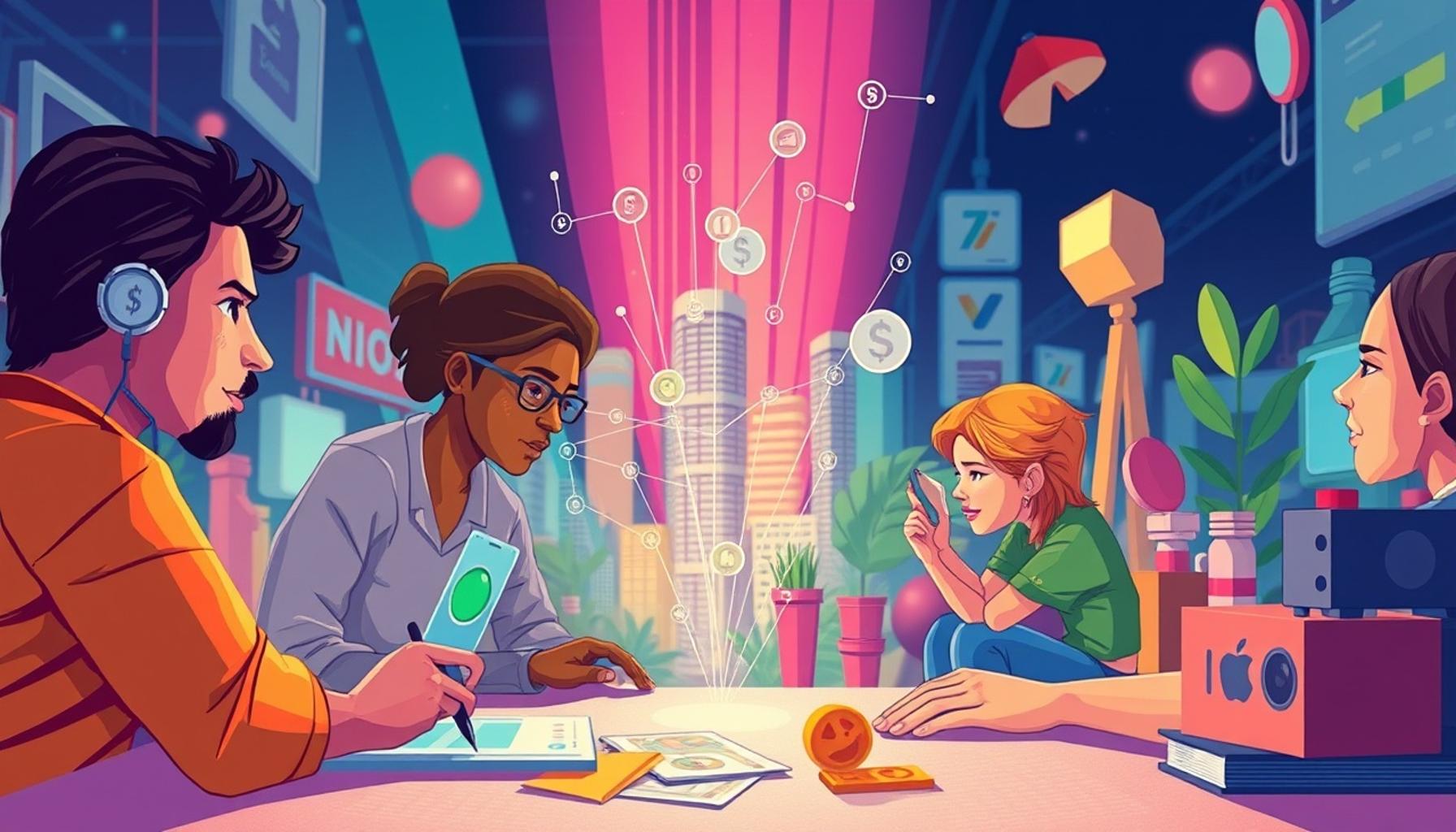
In today’s digital landscape, the power of influencer marketing cannot be ignored, particularly in the film industry. Influencers, who have cultivated loyal followings on social media platforms, can serve as vital allies in promoting films. By collaborating with influencers who align with the film’s themes or target audience, filmmakers can significantly expand their reach. Here are some effective ways to leverage influencer partnerships:
- Targeted Collaborations: Identifying influencers who share a passion for the film’s genre can amplify its message. For example, a horror film might collaborate with a popular YouTube reviewer known for their commentary on scary movies. By partnering with influencers whose audiences match the film’s demographic, filmmakers can ensure that their promotions resonate with potential viewers.
- Content Creation: Influencers can create unique content related to the film, such as review videos, live watch parties, or themed challenges that engage their followers. This not only drives excitement and interest but also allows for organic conversations about the film to develop among their communities.
- Exclusive Previews: Allowing influencers to screen the film beforehand gives them the opportunity to share exclusive insights and excitement with their audience. This strategy can create anticipation, as influencers often engage their followers with a sense of exclusivity, making them feel part of the film’s journey.
Data-Driven Marketing Insights
Social media provides filmmakers with an abundance of data that can enhance their promotional strategies. Understanding audience behavior, preferences, and engagement patterns can help tailor marketing efforts effectively. Here’s how to utilize this data:
- Audience Analytics: Social media platforms offer analytics tools that provide insights into demographics, such as age, gender, location, and interests of followers. Filmmakers can use this information to craft targeted content that appeals to specific audience segments, ensuring the promotional campaigns resonate more effectively.
- Engagement Metrics: Tracking likes, shares, comments, and overall engagement on promotional posts allows filmmakers to understand what content resonates most with audiences. For example, if behind-the-scenes content garners more interactions than traditional trailers, filmmakers can adjust their strategy to incorporate more of that type of material.
- Campaign Performance Measurement: Filmmakers can assess the effectiveness of their marketing campaigns by analyzing data on viewer responses across various platforms. This allows for real-time adjustments, helping to optimize advertising budgets and maximize the impact of marketing efforts.
The Rise of TikTok as a Promotional Tool
The emergence of TikTok as a leading social media platform has transformed traditional film marketing strategies. With its unique format of short videos, filmmakers can engage viewers creatively. Here are some impactful ways TikTok can be used for film promotion:
- Viral Challenges: Creating a dance or challenge related to a film that encourages user participation can lead to viral content. For instance, a musical film can initiate dance challenges where users show off their moves, resulting in widespread engagement and brand association with the movie.
- Authentic Content: TikTok thrives on authenticity, and filmmakers can showcase genuine moments from behind the scenes or interactions with the cast and crew. This unfiltered engagement can resonate with audiences seeking a connection to the film beyond typical promotional content.
- Fan Reactions and Reviews: Encouraging fans to share their reactions to trailers or movie scenes allows for spontaneous and engaging content that can capture audience interest. Filmmakers can amplify these fan-generatedvideos, fostering a sense of community around the film.
As these digital marketing strategies for film promotion evolve, the ability to connect, engage, and entertain audiences through social media will continue to redefine how films are marketed and experienced. The utilization of influencer partnerships, data-driven insights, and innovative platforms like TikTok showcases how filmmakers can effectively capture the hearts and minds of viewers in a rapidly changing marketplace.
DIVE DEEPER: Click here to discover more insights
Conclusion
In conclusion, the impact of social media on film promotion is profound and far-reaching, fundamentally transforming how filmmakers engage with audiences. The emergence of innovative digital marketing strategies, such as influencer collaborations, data-driven insights, and platforms like TikTok, enables filmmakers to create more personalized and effective promotional campaigns. By leveraging influencer partnerships, films gain authenticity and broader visibility, connecting with niche audiences who are more likely to be passionate about the content.
Additionally, in today’s data-centric world, utilizing audience analytics allows filmmakers to gain valuable insights into viewer preferences, ensuring that marketing efforts are precisely tailored to resonate with specific demographics. As social media continues to evolve, understanding engagement patterns helps filmmakers refine their strategies in real time, optimizing their outreach and impact.
Furthermore, the rise of platforms like TikTok encourages creativity and direct interaction with audiences, offering unique opportunities for viral marketing and authentic engagement. By embracing these digital tools, filmmakers can forge deeper connections with viewers and foster community around their projects.
Overall, as the film industry navigates this new landscape of promotion, it will be essential to stay adaptable and open to experimentation. The future of film marketing is bright, driven by the power of social media to not only promote films but also to create immersive experiences that draw audiences into the story in a memorable way.