Changes in Streaming Consumption: How the Pandemic Redefined Audience Preferences
The Impact of the Pandemic on Media Consumption
The global pandemic has brought about significant changes in our daily lives, especially when it comes to how we consume media. As individuals found themselves confined at home due to lockdowns and social distancing measures, platforms like Netflix, Hulu, and Disney+ experienced a surge in subscribers. This shift not only transformed viewing habits but also reshaped audience preferences in various ways.
Factors Driving the Change
Several key factors have driven this transformation in media consumption:
- Increased Availability: With more leisure time than ever before, viewers were empowered to explore a vast array of content. For example, many individuals discovered genres that were not on their radar previously, such as documentaries, foreign films, or niche animated series. The ability to binge-watch entire seasons also allowed viewers to dive deeper into storylines, often resulting in unexpected favorites.
- Diverse Content Choices: Streaming services recognized the need to cater to varied tastes, leading to an expansion of their libraries. Platforms began investing heavily in original content, producing exclusive shows and movies that appealed to a wide range of demographics. For instance, Disney+ capitalized on its extensive catalog of beloved franchises, while platforms like Netflix produced groundbreaking series like “The Queen’s Gambit,” which quickly became a cultural phenomenon.
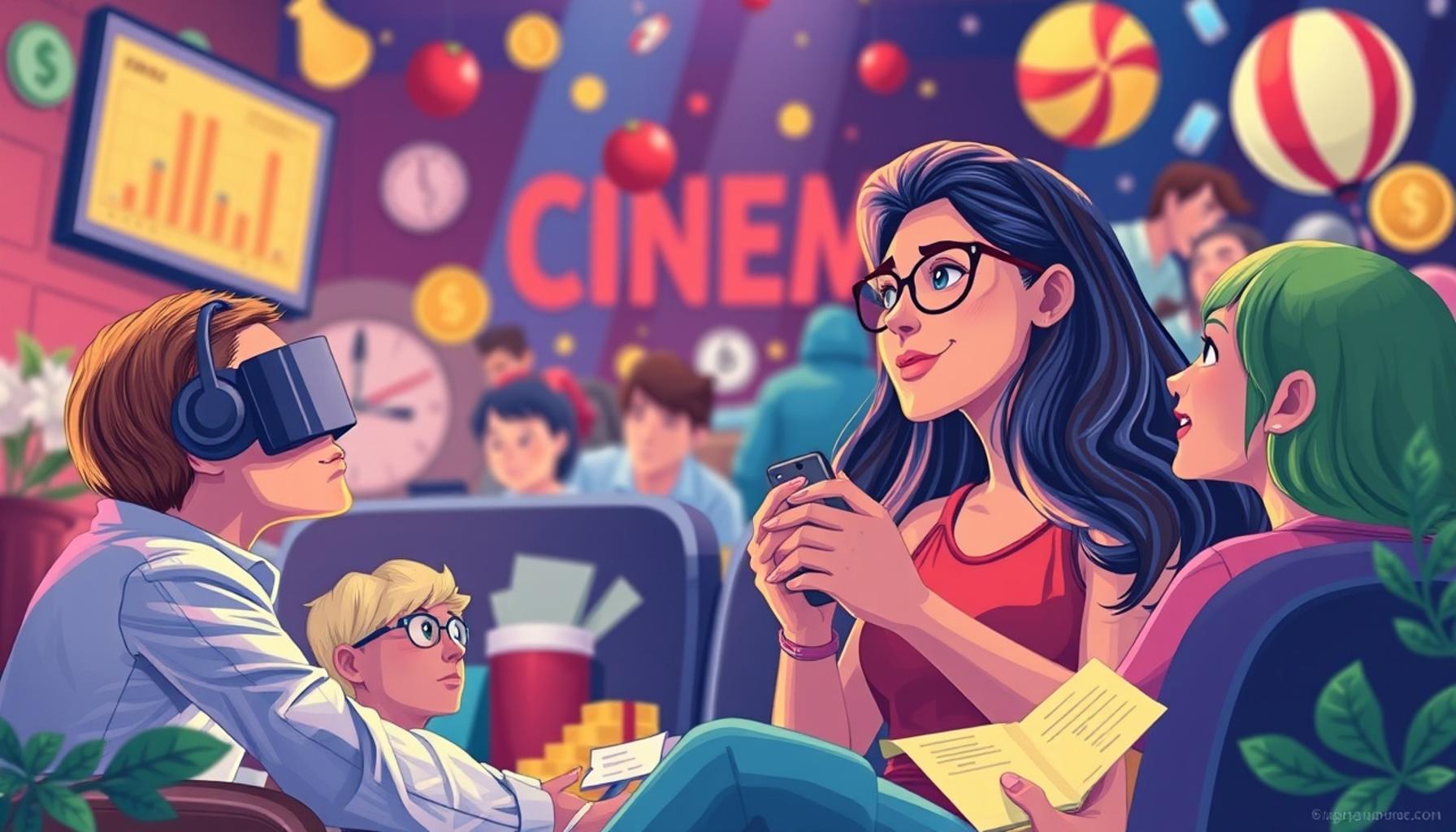
- Social Experiences: As people sought connections during isolation, virtual watch parties emerged as a way to engage with friends and family despite physical separation. Applications such as Teleparty (formerly Netflix Party) enabled simultaneous viewing and chatting, allowing users to share immediate reactions and thoughts about what they watched, thus creating a sense of togetherness in an otherwise solitary activity.
Shifting Interactions with Content
This evolution in media consumption has led audiences to become more than just passive viewers. They are now actively engaged with the content they consume, participating in discussions on social media platforms, sharing opinions, and even influencing what types of shows get produced by their feedback. This interactive dynamic not only enhances viewer satisfaction but also presents a unique challenge for content creators.
As a result of these changes, questions about the future of streaming and its implications for the entertainment industry become increasingly relevant. Content creators must adapt to meet the evolving expectations of audiences who crave immersive experiences and connections with others over shared interests.
In conclusion, the pandemic has dramatically altered the landscape of media consumption, highlighting the importance of accessibility, diversity, and community in entertainment. As we move forward, it will be fascinating to see how these trends continue to shape the future of streaming services and the content they provide.
DIVE DEEPER: Click here to uncover more
Emerging Trends in Streaming Behavior
As the pandemic unfolded, various trends emerged within the streaming landscape, reshaping how people engage with content. The isolation bred by lockdowns created a unique environment where consumption patterns shifted dramatically. Viewers became more selective, deliberate, and participatory in their viewing choices, significantly altering the traditional media landscape.
Personalized Viewing Experiences
One of the most notable changes in streaming consumption is the rise of personalized viewing experiences. Streaming platforms leveraged sophisticated algorithms to tailor recommendations based on individual viewing habits. This resulted in a more curated experience for users, exposing them to content that truly resonates with their interests. For instance, if someone frequently watched crime documentaries, platforms like Netflix would suggest similar shows, enhancing the likelihood of viewer engagement.
Moreover, with the increase in personalized content, audiences began to develop unique preferences that influenced their choices significantly. The traditional “one-size-fits-all” approach to television was replaced by a more segmented methodology, granting viewers the autonomy to explore formats and genres that they might have previously overlooked. This shift not only fostered a sense of ownership over their viewing experiences but also encouraged exploration beyond mainstream hits.
Content Consumption Patterns
The way people consumed content also witnessed significant changes. The popularity of binge-watching reached unprecedented heights during the pandemic, with many viewers consuming entire seasons of shows in one sitting. This behavior was partly attributed to the increased time available during lockdowns and the comforting nature of immerse storytelling during stressful times. As a result, long-form content became highly sought after, prompting content creators to design series around more extensive arcs and deeper narratives.
Additionally, audiences diversified their consumption patterns by layering viewing experiences with other activities. Many users now multitask while watching shows, often scrolling through social media or engaging in online discussions related to the content. This engagement demonstrates an increasing demand for interconnected experiences, combining visual storytelling with digital interaction.
Monthly Watchlists and the Rise of Targeted Programming
Another intriguing trend that emerged was the concept of monthly watchlists. As people adjusted to the new normal, they began curating personal lists of shows and movies they wanted to explore, leading to a more proactive approach to streaming. This shift encouraged viewers to schedule their time, making it a more engaging experience overall. The practice not only helped individuals manage their viewing habits but also created excitement surrounding new releases, as viewers eagerly anticipated what they would watch next.
Furthermore, the pandemic prompted platforms to adopt targeted programming strategies to cater to evolving audience preferences. Services like Hulu incorporated more curated channels tailored to specific themes or moods, enabling users to tune into selections that matched their current mindset. For instance, during moments of unrest or anxiety, users might gravitate towards feel-good movies or shows about uplifting themes, allowing them to escape from reality.
These emerging trends have fundamentally transformed how we experience entertainment, highlighting a shift towards personalization, engagement, and curated experiences that meet the needs of viewers in these unprecedented times. As we explore the ongoing evolution of streaming preferences, it’s crucial for content creators to remain agile and responsive to the ever-changing landscape of audience expectations.
CHECK IT OUT: Click here to discover more about streaming’s impact on film
Impact of Social Dynamics on Viewing Choices
The pandemic not only transformed individual viewing habits but also significantly influenced social dynamics around streaming consumption. With social gatherings restricted and in-person interactions limited, viewers turned to online platforms to connect with family and friends over shared content experiences. This shift placed communal viewing at the forefront, with individuals hosting virtual watch parties and engaging in real-time discussions via social media or platforms like Zoom.
The Rise of Social Viewing
In the era of social distancing, the concept of social viewing gained traction as audiences sought ways to maintain a sense of connection. Streaming platforms, recognizing this trend, began incorporating features that facilitated shared viewing experiences. For example, Amazon Prime Video and Hulu introduced extensions that allowed friends and family to synchronize their playback while chatting through a shared interface. This not only repackaged the viewing experience but also allowed individuals to feel less isolated while enjoying their favorite shows together apart.
Moreover, streaming platforms tapped into this communal desire by promoting content that encouraged discussions. Reality shows and talent competitions surged in popularity, as audiences flocked to share their opinions and create a buzz on platforms like Twitter and TikTok. The social engagement surrounding these shows exemplified a new phenomenon where public discourse added another layer to viewing habits, prompting creators to adjust their strategies accordingly.
Rise of Diverse Content and Niche Genres
The pandemic also sparked a noticeable expansion in content diversity. As viewers sought unique stories that resonated with their personal experiences or dreams, streaming platforms responded by increasing investments in niche genres and underrepresented narratives. Rather than solely banking on blockbuster films or popular series, platforms began to recognize the potential of telling diverse stories from different cultural perspectives.
For example, Netflix’s push for international content brought foreign-language films and series into the mainstream, leading to hits like “Money Heist” and “Squid Game.” The success of these shows illustrated that American audiences are now more open to exploring international content, broadening their cultural horizons. This acceptance encouraged even more production of diverse, local content tailored to specific communities while also fostering a more inclusive storytelling environment.
Shifts in Subscription Models
Continued changes in viewer habits also prompted significant shifts in subscription models. Traditionally, viewers often subscribed to one or two platforms; however, as content proliferation increased, many found themselves signing up for multiple services to access the varied offerings. This trend toward content stacking meant that viewers were willing to juggle subscriptions from platforms like Disney+, HBO Max, and Apple TV+, each with unique offerings. This financial flexibility demonstrated a shift in how audiences prioritize their entertainment budgets, favoring access to a broader array of shows and movies.
Alongside subscription stacking, the rise of free ad-supported streaming services, such as Tubi and Pluto TV, catered to budget-conscious consumers who were more selective in their spending during economic uncertainties. The appeal of high-quality content without a monthly fee encouraged many viewers to explore these platforms, further diversifying their streaming habits and enriching their viewing experience.
Through these dynamics, it’s evident that the pandemic not only changed how we consume content but also how we engage with it socially and financially. By embracing these new trends, stakeholders across the entertainment industry can better cater to the evolving demands and preferences of audiences looking for support and connection in uncertain times.
DISCOVER MORE: Click here to learn more
Conclusion
In summary, the pandemic has profoundly reshaped streaming consumption in various ways, highlighting a shift in audience preferences that reflects both individual and collective experiences. As social interactions became limited, the emergence of social viewing underscored the human desire for connection, prompting platforms to adapt by enhancing features that facilitate shared viewing experiences. This adaptation not only catered to the need for companionship during isolation but also fueled engaging discussions across social media.
Furthermore, the push for diverse content and niche genres has broadened the storytelling landscape, allowing more voices and perspectives to resonate with audiences. As consumers embraced international hits, the entertainment industry recognized the potential for richer, more inclusive narratives that enrich the cultural tapestry of streaming content. Such changes create opportunities for both creators and viewers to connect on deeper levels, exploring themes and experiences that resonate across borders.
Additionally, the evolution of subscription models illustrates a significant shift in how audiences prioritize their spending on entertainment. With the rise of content stacking and free ad-supported services, viewers are now more empowered to customize their streaming experience while navigating financial uncertainties. These trends indicate a growing awareness of consumer preferences and a willingness to adapt in an ever-changing landscape.
As we move forward, understanding these changes will be crucial for industry stakeholders aiming to meet the evolving demands of viewers. By embracing the new landscape shaped by the pandemic, the entertainment industry can foster closer connections, deliver richer content, and ultimately create a more fulfilling streaming experience for all.