The Importance of Dental Hygiene in Pets: Practices and Benefits
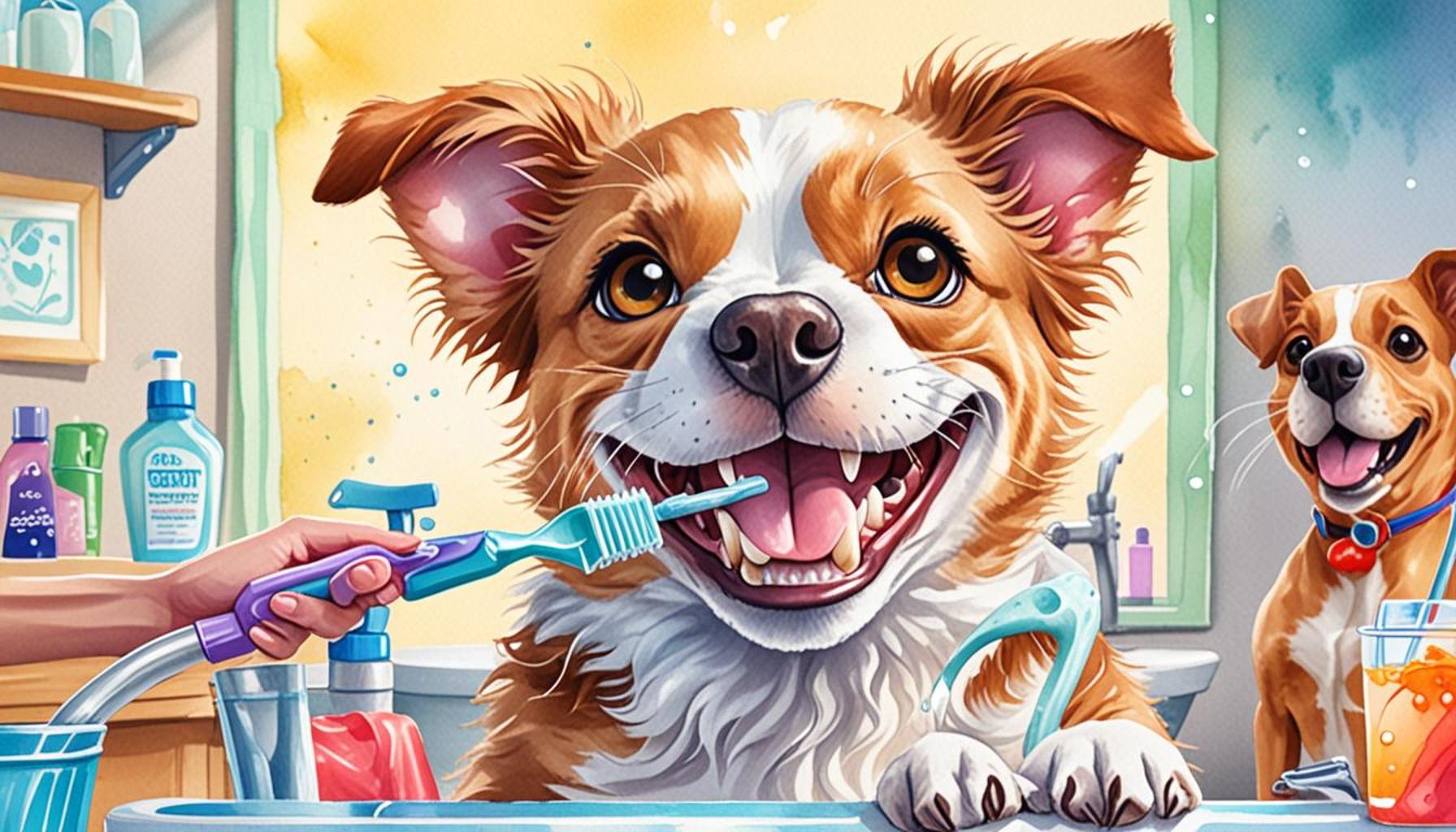
The Importance of Dental Hygiene for Pets
The oral health of our beloved pets often goes unnoticed, yet it plays a crucial role in their overall well-being. Just like humans, pets can suffer from dental issues that lead to serious health complications if left untreated. In fact, studies suggest that by the age of three, nearly 80% of dogs and 70% of cats show signs of dental disease. This staggering statistic highlights the necessity of prioritizing our furry friends’ dental care more aggressively.
Ensuring proper dental hygiene in pets is essential for several reasons:
- Prevention of dental disease: Regular care can help avoid tartar buildup and periodontal disease, which can result in pain and inflammation of the gums. For example, plaque can harden into tartar. If not addressed, this progression can lead to gum disease, tooth loss, and chronic pain which can greatly affect a pet’s quality of life.
- Impact on overall health: Poor dental hygiene can lead to systemic issues affecting the heart, kidneys, and other vital organs. Research has shown that bacteria from periodontal disease can enter the bloodstream, potentially leading to conditions like endocarditis, an infection of the heart valves, or worsen kidney disease.
- Quality of life: Good oral health leads to a happier, more active pet free from pain or discomfort. Pets with dental problems often experience difficulty eating, leading to weight loss and nutritional deficiencies. A simple act of brushing can help mitigate this issue and enhance their vitality.
Practicing effective dental hygiene comes with an array of undeniable benefits. Regular brushing and professional cleanings can significantly enhance your pet’s health. For instance, veterinarians recommend brushing your pet’s teeth at least two to three times a week. Additionally, periodic professional dental cleanings, recommended at least once a year, can help keep tartar and plaque at bay and allow for an early diagnosis of potential issues.
As pet owners in the United States, it is vital to take proactive steps in ensuring dental health. Products such as dental chews, specially designed toys, and some pet food brands can support your efforts in maintaining your pet’s oral hygiene. Furthermore, regular veterinary check-ups should include a dental examination to monitor any changes in their oral health.
By understanding the importance of dental hygiene and implementing best practices, you can help ensure that your furry companions enjoy longer, healthier lives. This simple act of care not only helps prevent disease but also fosters deeper bonds between pets and their owners, creating a happier home for both parties.
LEARN MORE: Click here to find out what’s best for your pet
Essential Dental Hygiene Practices for Pets
When it comes to dental hygiene for pets, adopting a proactive approach is fundamental. Pet owners should not wait for visible signs of dental problems to arise before taking action, as preventive care is key to healthy teeth and gums. It is essential to understand the various practices that can be integrated into your daily routine, ensuring that your beloved companions maintain optimal oral health.
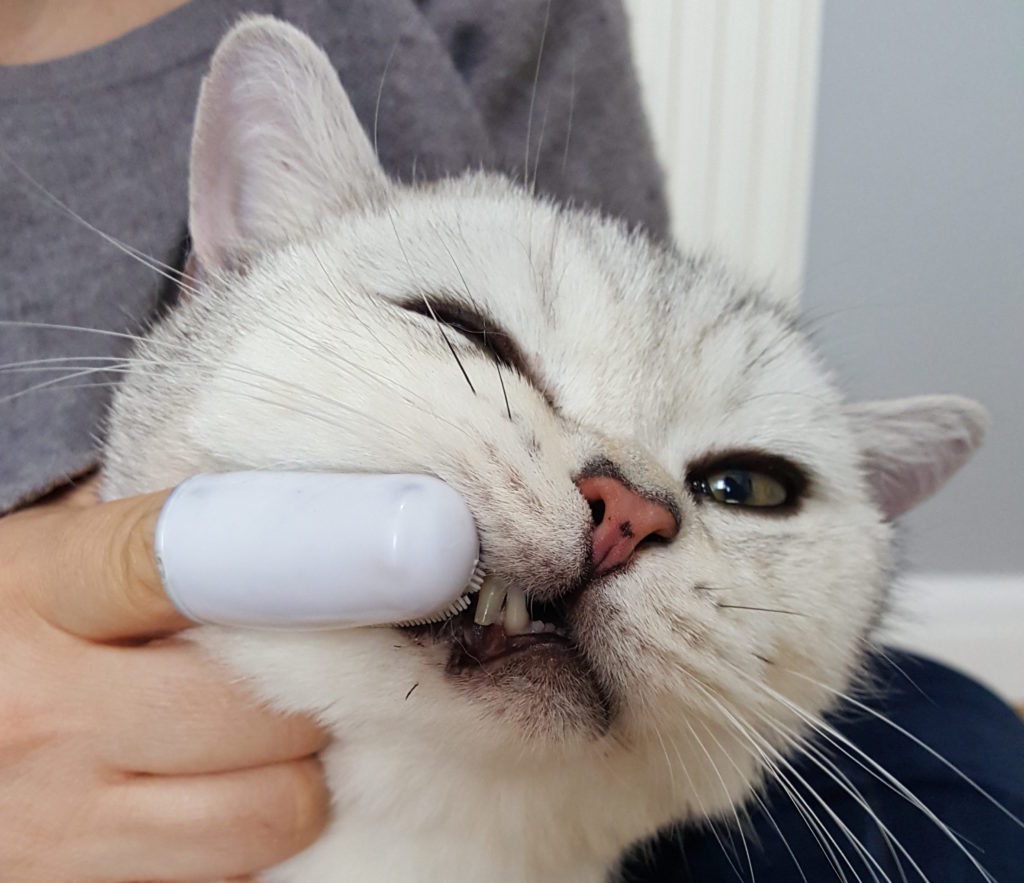
One of the most effective ways to promote dental hygiene is through regular brushing. By incorporating tooth brushing into your pet’s routine, you can significantly reduce plaque buildup. Experts recommend that pet owners brush their furry friends’ teeth at least two to three times a week, using toothpaste specifically formulated for pets. Unlike human toothpaste, pet-specific options are safe for animals to swallow and often come in flavors they enjoy, making the process more appealing.
Apart from brushing, another effective practice is the use of dental chews and treats designed for oral health. These products not only provide a satisfying chew but also help to mechanically remove plaque as your pet bites down. Many brands offer dental chews that have been clinically proven to reduce plaque and tartar buildup. Regularly using these chews can be a playful way to enhance your pet’s dental routine while promoting good oral hygiene.
- Dental Toys: Chewing on specially designed toys can help keep your pet’s teeth clean. Look for options that promote chewing and are tough enough to withstand your pet’s enthusiasm.
- Dental Water Additives: Products that can be added to your pet’s drinking water help reduce bacteria and plaque levels in their mouth. This simple solution can complement your regular dental care routine.
- Quality Pet Food: Certain pet food brands contain ingredients that assist in dental cleaning. Look for options that are approved by the Veterinary Oral Health Council (VOHC) to ensure they are effective in promoting oral health.
Additionally, routine veterinary visits are crucial in maintaining your pet’s dental hygiene. Annual professional cleanings are recommended to tackle any plaque and tartar that brushing alone may not eliminate. During these visits, veterinarians can assess your pet’s oral health, provide advice tailored to your pet’s needs, and catch any dental issues early on. It’s essential to communicate openly with your veterinarian about your pet’s dental care, exploring any concerns or questions you may have.
Emphasizing the practices outlined above not only contributes to your pet’s oral hygiene but can lead to lasting benefits for their overall health. By committing to these essential practices, owners can help mitigate the risks associated with dental diseases, ensuring that their pets lead happier, healthier lives filled with vibrant energy.
| Advantage | Details |
|---|---|
| Enhanced Overall Health | Regular dental care can prevent bacteria from entering the bloodstream, thereby reducing risks of serious health issues like heart disease and infections. |
| Improved Breath and Comfort | Maintaining dental hygiene ensures fresher breath and provides pets with the comfort they need for eating and playing. |
| Prevention of Tooth Loss | Regular check-ups and tooth brushing can help in avoiding periodontal diseases that often lead to tooth loss in pets. |
| Cost Efficiency | Investing in dental care not only saves on potential veterinary bills later but also ensures your pet stays healthy and active. |
Regular dental hygiene is a crucial aspect of pet ownership that often gets overlooked. By establishing a consistent dental care routine for your furry companions, you can vastly improve their quality of life. Regular brushing, professional cleanings, and chews designed for dental health contribute to preventing tartar buildup, leading to healthier teeth and gums. The benefits extend beyond oral health, as research demonstrates that maintaining your pet’s dental hygiene can reduce the likelihood of systemic diseases and lead to a longer, happier life. Additionally, many pet owners may not realize that bad breath is often a sign of dental issues that require attention. A positive approach and routine dental check-ups can not only yield immediate benefits but also improve the ongoing health and well-being of pets in the long run. Investing in proper dental hygiene practices is an indispensable part of pet care.
LEARN MORE: Click here to discover how to address behavior issues in adopted pets
Understanding the Benefits of Pet Dental Care
Maintaining dental hygiene in pets extends beyond just having a bright, clean smile; it has a profound impact on their overall health. By prioritizing pet dental care, owners can significantly improve their pets’ quality of life and reduce the risk of serious health issues. This section delves into the myriad benefits of proper dental hygiene practices and their long-term implications for pets.
One of the most concerning issues associated with poor dental hygiene in pets is the development of dental disease, including periodontal disease, which is particularly prevalent among dogs and cats. According to the American Veterinary Dental College, nearly 80% of dogs and 70% of cats by the age of three are affected by some form of dental disease. This alarming statistic highlights the importance of preventive care. Left untreated, dental disease can lead to pain, tooth loss, and systemic health problems, as bacteria from the mouth can enter the bloodstream, affecting vital organs such as the heart, liver, and kidneys.
Moreover, regular dental care can help pet owners save money in the long run. The cost of treating advanced dental issues can be exorbitant, often requiring surgeries or extensive dental procedures. By investing time and resources into preventive dental care, such as routine brushing and veterinary check-ups, pet owners can potentially avoid these costly interventions. Early detection and treatment of dental problems are not only more affordable but can also lead to less invasive solutions.
- Improved Breath: One immediate benefit of maintaining suitable dental hygiene is fresher breath. Bad breath, or halitosis, is often a sign of dental disease; a robust oral care routine can help mitigate this.
- Enhanced Behavior: Pets suffering from dental pain may exhibit behavioral changes such as irritability or reluctance to eat. By ensuring your pet’s oral health, you may notice a happier, more active companion.
- Better Nutrition: Dental issues can lead to difficulties in chewing, which may discourage pets from eating properly. With good dental hygiene, pets can comfortably enjoy their meals, contributing to better nutrition and overall vitality.
Pet dental health is also correlated with longevity. Research has indicated that pets with well-maintained teeth and gums often enjoy an extended lifespan. Regular dental check-ups and cleanings can lead to a healthier life, mitigating the risks that come with neglected oral health. Owners can positively impact their pets’ longevity by prioritizing dental hygiene practices.
Incorporating Dental Hygiene into Daily Routines
The journey toward better dental hygiene for pets doesn’t have to be daunting. Integrating dental care into daily routines can be a seamless process. Owners can establish a structured regimen that includes not only brushing but also engaging in dental-related activities that keep pets entertained while improving their oral health.
For instance, pet parents can make a game of tooth brushing to help pets associate oral care with fun. Offering rewards post-brushing can also aid in motivating pets to accept this essential practice. Additionally, incorporating dental toys and chews during playtime ensures that dental care remains an enjoyable experience, reinforcing the idea that dental hygiene is just as important as other daily routines like feeding and exercise.
Investing in your pet’s dental hygiene is not merely about preventing bad breath or keeping their teeth pearly white; it’s about ensuring their overall health and wellbeing. By understanding the profound benefits of dental hygiene and establishing a comprehensive dental care regimen, pet owners can actively contribute to their pets’ happiness and longevity, proving that a little effort goes a long way toward a healthier, happier life for our beloved furry friends.
DISCOVER MORE: Click here to learn about establishing routines for your new pet
Conclusion: Ensuring Optimal Pet Health Through Dental Hygiene
In conclusion, the significance of dental hygiene in pets cannot be overstated. It is a vital aspect of pet ownership that extends far beyond aesthetic appeal. Regular dental care is essential in preventing serious dental diseases and maintaining overall health, while also protecting against systemic issues that can arise when dental problems go untreated. By committing to a proactive approach, pet owners can help mitigate the risks of periodontal disease and other related health concerns, ensuring that their furry companions live vibrant, healthy lives.
Moreover, establishing a comprehensive dental care regimen not only fosters better oral health but also enhances the quality of life for pets. Improved breath, enhanced behavior, and sufficient nutrition are just some of the immediate rewards of diligent oral care. Additionally, investing in your pet’s dental health can lead to significant long-term savings—avoiding costly interventions related to advanced dental issues.
As you consider the responsibilities of pet ownership, remember that incorporating dental hygiene practices into your daily routine is not merely an option; it is a necessity. Using a combination of regular veterinary check-ups, at-home oral care, and engaging in fun dental activities can create a harmonious atmosphere where pet dental health is prioritized. By doing so, you’re not only enhancing your pet’s lifespan but also ensuring that each moment spent together is filled with joy and companionship. Embrace these practices, and you will realize the profound impact of a simple yet effective approach to your pet’s dental care.