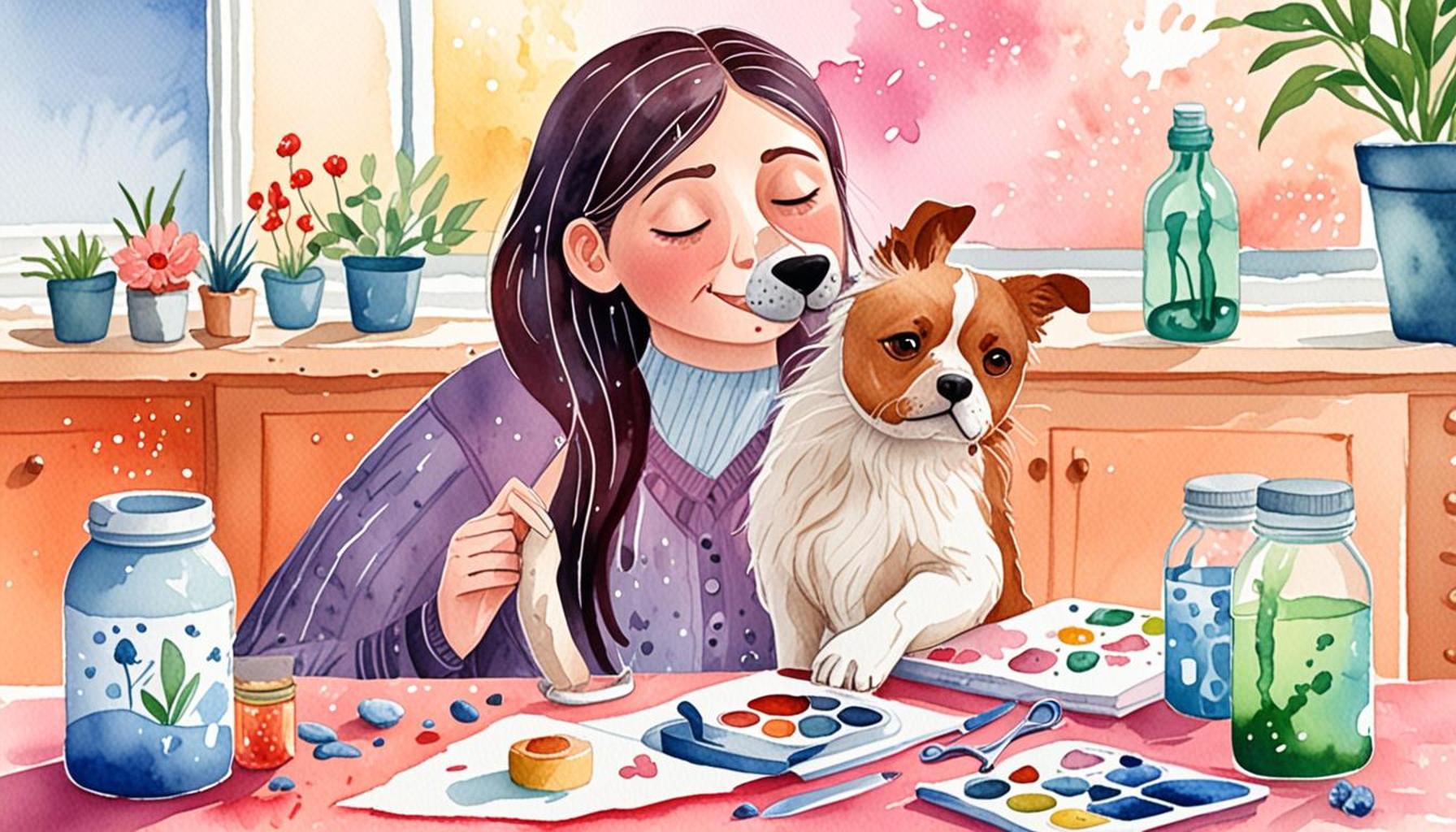
The Importance of Animal-Assisted Therapy in Mental Health and Well-Being

Exploring the Role of Animals in Healing
In recent years, the healing power of animals has captivated the attention of mental health practitioners and researchers. Animal-assisted therapy (AAT) has emerged as a compelling approach to enhance psychological well-being. This innovative therapy integrates trained animals into treatment plans to foster emotional healing and personal growth. The growing body of evidence supporting the efficacy of AAT suggests it may be a valuable complement to traditional therapeutic techniques.
Key Features of Animal-Assisted Therapy
Animal-assisted therapy offers numerous benefits, making it an essential tool in mental health care:
- Emotional support: Animals provide unconditional love, reducing feelings of loneliness and depression. The simple act of petting a dog or cat can release a rush of oxytocin, a hormone associated with bonding and affection, leading many to experience a significant reduction in anxiety.
- Stress reduction: Interacting with animals can lower cortisol levels and promote relaxation. Studies have shown that just 15 minutes spent with a therapy animal can lead to measurable improvements in stress levels, often reflected in lower blood pressure and heart rates.
- Improved social interactions: Therapy animals can help facilitate communication and connection among patients. In group settings, the presence of an animal can serve as a neutral topic, easing social tensions and helping break down barriers among individuals struggling with mental health issues.
- Enhanced motivation: Engaging with animals often encourages participation in therapeutic activities. Patients may be more willing to engage in physical therapy exercises or participate in discussions when an animal is present, as they are driven by a sense of responsibility and eagerness to care for their furry companions.
Impact on Various Mental Health Issues
AAT has shown effectiveness in addressing numerous mental health conditions, including:
- Post-traumatic stress disorder (PTSD): Veterans and trauma survivors have reported significant improvements in their symptoms through interactions with therapy dogs. The dogs not only provide comfort but also a sense of safety for individuals often overwhelmed by anxiety.
- Anxiety disorders: Many individuals with anxiety find solace in the presence of a therapy animal, as these animals can help ground them during panic attacks or anxiety episodes, promoting feelings of calm and reassurance.
- Depression: The responsibility of caring for an animal can provide purpose and structure for individuals struggling with depression. Studies indicate that patients who participate in AAT experience reductions in depressive symptoms more effectively than those undergoing traditional therapies alone.
- Autism spectrum disorders: AAT can enhance social skills and reduce instances of aggression or anxiety in children with autism. Therapy animals often help create a bond that encourages communication, making them effective tools in therapeutic settings.
As awareness of the potential of animal-assisted therapy continues to grow, both patients and therapists are exploring its transformative significance in promoting mental health and overall well-being. The human-animal bond is powerful, serving as a unique catalyst for healing that many are just beginning to understand. In this article, we will delve deeper into the various facets of AAT and its undeniable influence on enhancing the quality of life for individuals facing mental health challenges. The opportunities for integration into therapeutic practices and the future research horizons will showcase why this innovative approach deserves attention in the field of mental health.
DIVE DEEPER: Click here to discover more
Understanding Animal-Assisted Therapy: The Healing Connection
Animal-assisted therapy (AAT) is gaining recognition in the realm of mental health care for its ability to positively alter emotional and psychological states. The therapeutic alliance formed between humans and animals creates an environment where patients can experience profound transformation. This unique partnership offers more than mere companionship; it acts as a conduit for healing and personal growth. The increasing acceptance and incorporation of AAT into mental health strategies signify a pivotal shift toward more holistic approaches in treatment.
Mechanisms Behind Animal-Assisted Therapy
AAT harnesses several mechanisms that contribute to its effectiveness in improving mental health outcomes. When interacting with therapy animals, patients often report immediate shifts in mood and psychological wellness. Key mechanisms at play include:
- Biochemical responses: Interactions with animals trigger the release of neurochemicals that promote happiness and relaxation. When individuals engage with therapy animals, they experience an influx of serotonin and dopamine, which help counteract feelings of despair and stress.
- Emotional regulation: Being in the presence of a therapy animal can lead to better emotional regulation. Patients often find it easier to express feelings when animals are involved, as they provide non-judgmental companionship that encourages openness and vulnerability.
- Physical interaction: The tactile experience of petting or holding a therapy animal can significantly reduce stress levels. Physical touch has been scientifically demonstrated to lower heart rates and alleviate feelings of anxiety, thus enabling patients to feel more comfortable navigating their mental health challenges.
- Motivation through companionship: The commitment to care for a therapy animal often motivates individuals to participate fully in therapeutic endeavors. Studies indicate that the presence of an animal can prompt engagement in both emotional and physical activities that would otherwise be challenging.
Expanding Therapeutic Applications
The adaptability of AAT allows it to be employed within various therapeutic frameworks, catering to a wide range of mental health conditions. The following areas demonstrate how AAT can be tailored to meet specific therapeutic needs:
- Child and adolescent therapy: AAT can be particularly advantageous for younger patients, as children often find it easier to communicate their feelings in the company of animals. Therapy dogs are frequently used in school settings to help students cope with stress and anxiety, fostering a safer space for emotional expression.
- Geriatric care: Older adults, especially those dealing with loneliness or cognitive decline, can find great comfort in AAT. Companion animals can help reduce feelings of isolation, providing emotional support that enhances the quality of life.
- Substance abuse recovery: For individuals in recovery, therapy animals can provide an anchoring presence that reminds them of their commitment to healing. The structure and responsibility involved in caring for an animal lend an added layer of support during challenging times.
As we continue to uncover the multifaceted advantages of animal-assisted therapy, its role in fostering resilience and emotional well-being becomes increasingly clear. Continued research and acceptance of AAT not only promise to enhance treatment outcomes but also reshape our understanding of the symbiotic relationship between humans and animals. In the next sections, we will delve further into how AAT can serve as an instrumental resource in diverse therapeutic settings and the implications for future mental health practices.
Animal-Assisted Therapy (AAT) has gained recognition in recent years for its significant impact on mental health and well-being. This therapeutic intervention involves the integration of trained animals, typically dogs or horses, into traditional therapeutic practices to facilitate emotional healing and promote psychological well-being. The presence of animals can be particularly beneficial for individuals struggling with issues such as anxiety, depression, post-traumatic stress disorder (PTSD), and autism.One of the core benefits of AAT is its ability to invoke feelings of joy and comfort. Animals have an innate ability to create a safe and nurturing environment, allowing individuals to open up more freely and engage in therapeutic processes. For many, the non-judgmental companionship of a therapy animal can provide reassurance and foster a sense of trust, making the journey towards recovery more approachable.Moreover, the physical interaction with animals, such as petting or walking a dog, stimulates the production of oxytocin, a hormone known for its stress-reducing properties. This biological response can enhance emotional regulation and promote relaxation, which is critical for individuals dealing with acute stress or emotional trauma. Research has demonstrated that AAT not only improves psychological conditions but also encourages physical activity and social interaction, vital components of overall well-being. As therapy sessions often involve engaging activities with animals, participants may find themselves more motivated to partake in physical exercise and social outings, which promotes healthy lifestyles and better mental health outcomes.Furthermore, AAT can bridge communication gaps, especially for children and adults who struggle to articulate their feelings. Animals serve as a powerful catalyst in conversation, enabling clients to express their emotions and thoughts more effectively. This unique form of interaction can lead to breakthroughs in therapy, significantly enhancing the therapeutic alliance between the client and therapist.By integrating animal-assisted therapy into conventional treatment approaches, mental health professionals can tap into a rich resource that supports emotional healing, resilience building, and personal growth. As the field continues to evolve, further exploration and integration of AAT can uncover even more profound insights into its effectiveness and applications, prompting many to reconsider its place in modern therapeutic practices. In summary, the significance of Animal-Assisted Therapy in promoting mental health and well-being cannot be overstated, as it combines the therapeutic benefits of human-animal interaction with traditional treatment modalities, paving the way for holistic healing solutions.
LEARN MORE: Click here for tips on handling behavior issues in adopted pets
Broader Impacts of Animal-Assisted Therapy on Communities
In addition to its individual therapeutic benefits, animal-assisted therapy (AAT) holds potential for fostering community wellness and enhancing social capital. As mental health awareness rises, the role of therapy animals expands beyond clinical settings, building stronger community connections and promoting mental health literacy.
Community Outreach Programs
Many communities have started integrating AAT into public health outreach programs. By bringing therapy animals to schools, community centers, and hospitals, these initiatives aim to reduce stigma surrounding mental health issues while simultaneously raising awareness about AAT. For instance, programs such as “Paws for Stress” have become increasingly popular on college campuses where students can spend time with trained therapy animals to relieve academic pressure and combat anxiety.
Support in Crisis Situations
In times of crisis or community trauma, therapy animals can play a critical role in providing emotional support. During natural disasters, for example, therapy teams often deploy alongside first responders, assisting everyone from survivors to emergency personnel in coping with the psychological impact of their experiences. Research from organizations like the American Humane Association indicates that therapy animals can significantly alleviate symptoms of post-traumatic stress disorder (PTSD), thereby facilitating community healing and resilience.
AAT in Healthcare Settings
AAT is increasingly valued in various healthcare settings, including hospitals and rehabilitation centers. The presence of therapy animals can significantly reduce patient anxiety before procedures and enhance their overall experience during recovery. For instance, patients undergoing cardiac surgery have shown improved emotional outcomes when interacting with therapy animals post-operatively. A study published in the Journal of the American Medical Association highlights that AAT can effectively lower patients’ perception of pain and anxiety levels, thus leading to better recovery trajectories.
Strengthening Interpersonal Relationships
The incorporation of therapy animals into family and relationship-focused therapies is gaining traction in mental health practices. The presence of a therapy animal can serve as a neutral party, fostering communication among family members. Canines and other therapy animals encourage bonding exercises, allowing family members to practice emotional expression in a less intimidating setting. Such interactions can lead to improved family dynamics and promote healthier relationships.
Advancements in Therapeutic Techniques
As AAT evolves, it is inspiring innovation in therapeutic techniques. For example, some therapists are beginning to integrate technology with AAT, using virtual reality simulations of animal interactions for those unable to engage with live therapy animals. This progression highlights the increasing recognition of the importance of the human-animal bond in enhancing mental health and well-being. Such innovations offer new avenues for individuals who may be reluctant to engage in traditional therapy sessions.
By deepening our understanding of these multifaceted applications, it becomes evident that animal-assisted therapy is not merely a trend; it represents a foundational shift in how we approach mental health care. The numerous benefits of AAT advocate for a communal embrace of the healing power of the human-animal connection, emphasizing the necessity of integrated strategies for better mental health outcomes for all demographics.
DISCOVER MORE: Click here to strengthen your bond with your adopted pet
Conclusion: A Paradigm Shift in Mental Health and Well-Being
In summary, animal-assisted therapy (AAT) is proving to be a transformative force in the realm of mental health care. From its capacity to enhance individual therapy sessions to its role in community outreach and support during crises, the multifaceted benefits of AAT underscore the essential nature of the human-animal bond. As social stigmas around mental health dissipate, the integration of therapy animals into various settings, such as schools, hospitals, and family therapy practices, exemplifies a holistic approach to mental well-being.
The remarkable ability of therapy animals to reduce anxiety, foster interpersonal relationships, and facilitate emotional healing invites a re-examination of traditional therapeutic techniques. Initiatives like “Paws for Stress” demonstrate how such programs can alleviate academic pressures while promoting awareness—emphasizing the necessity for communities to embrace these therapeutic partnerships. Moreover, AAT’s effectiveness in acute situations, including natural disasters, illustrates its vital role in enhancing community resilience and healing.
As research and innovation continue to evolve, including intriguing advancements that integrate technology with AAT, the field stands to benefit immensely—even offering alternatives for those hesitant to engage in conventional therapies. In articulating the profound impact of animal-assisted therapy, we are reminded that mental wellness strategies must be comprehensive and inclusive. Ultimately, embracing AAT alongside more traditional methods creates a brighter, more compassionate future for individuals and communities striving for better mental health outcomes.