How to Deal with Separation Anxiety in Dogs: Effective Strategies for Emotional Well-Being

Understanding Separation Anxiety in Dogs
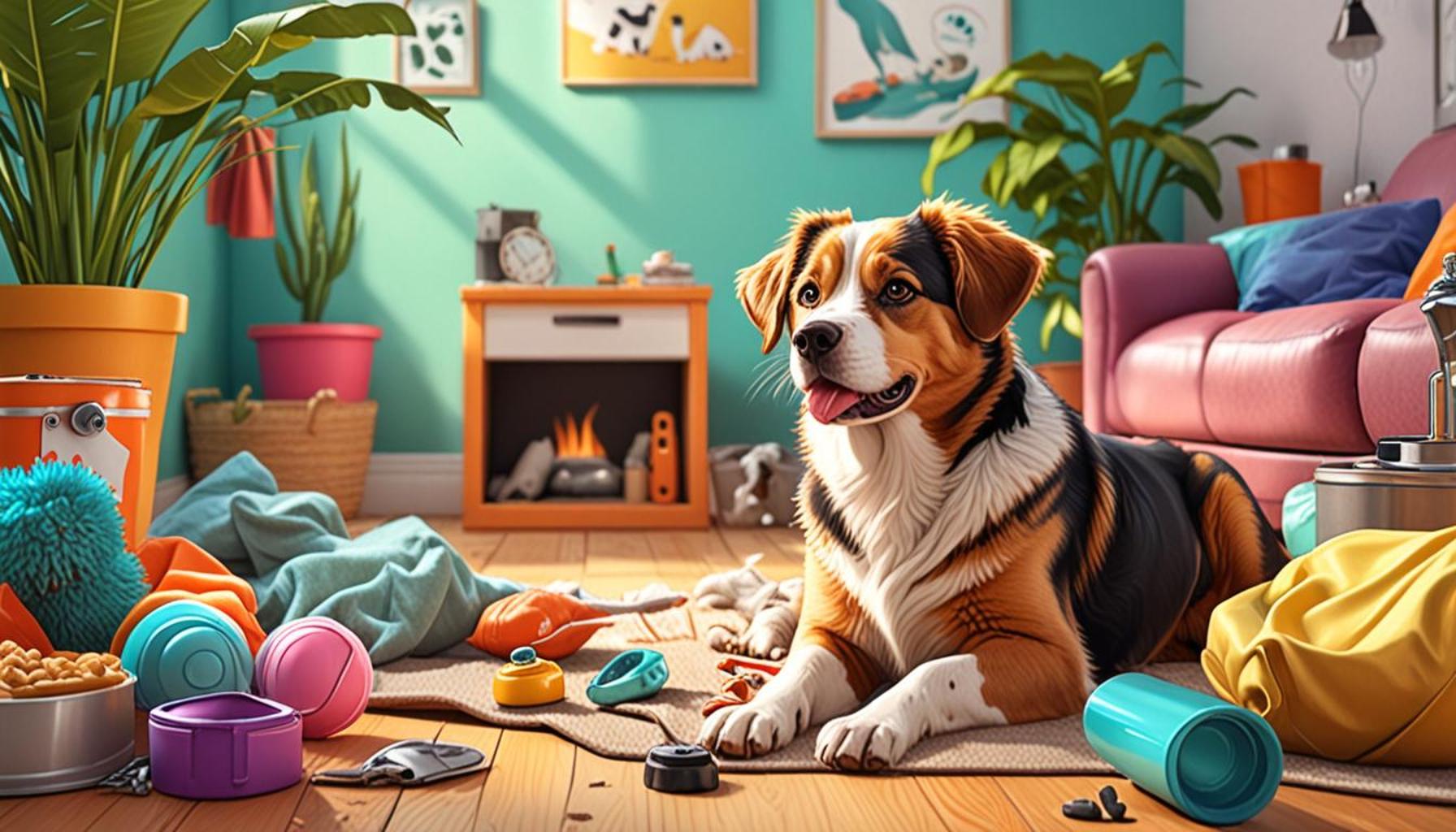
Separation anxiety is a common issue faced by many dog owners across the United States, often manifesting when a pet is left alone. This emotional turmoil can lead to distressing behaviors that not only disrupt the household but also stem from a genuine struggle within our canine companions. Some of these behaviors include:
- Barking or howling excessively, which may become a source of frustration for neighbors and indicate a deeper psychological issue.
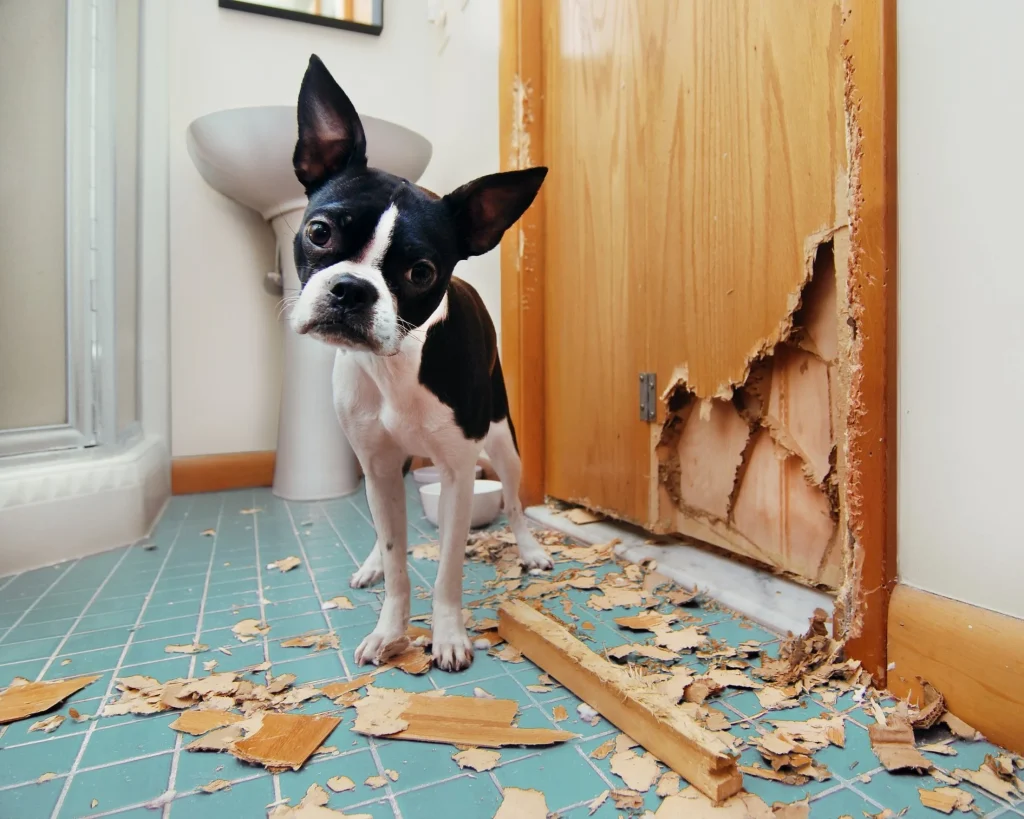
- Destructive actions, such as chewing furniture, digging holes, or tearing apart household items, are often misguided attempts by the dog to cope with their anxiety.
- Inappropriate urination or defecation, which is not simply a training failure but a symptom of intense emotional distress.
These behaviors are not merely nuisances; they signal a deeper emotional struggle. Recognizing the symptoms early can help prevent escalation and promote a healthier relationship between you and your dog. The earlier you identify the signs, the better equipped you will be to address and alleviate your pet’s anxiety.
Why Understanding the Root Cause Matters
Understanding the root cause of separation anxiety is essential for effective management. Several factors can contribute to this condition:
- A traumatic experience during puppyhood, such as being removed from their litter too soon or experiencing abuse, can lead to long-lasting anxiety.
- Significant changes in their environment or routine, such as a move to a new home, the arrival of a new family member, or even the loss of another pet, can trigger anxiety in dogs.
- A lack of socialization during their formative months can result in heightened anxiety when faced with isolation.
By identifying these triggers, you can tailor effective strategies to support your dog’s emotional well-being. Addressing the root causes not only fosters a nurturing bond but also ensures a happier and more balanced life for both you and your pet.
Exploring Effective Strategies
As you explore the world of separation anxiety in dogs, you’ll find numerous methods to help your furry friend cope. From training exercises to environmental adjustments, a variety of strategies can significantly improve your dog’s ability to handle separations. Here are some actionable steps:
- Gradual Desensitization: Start by leaving your dog alone for short periods and gradually extend the time as they become more comfortable.
- Positive Reinforcement: Reward your dog for calm behavior when you leave or return home to reinforce a sense of security.
- Interactive Toys: Provide engaging toys or puzzles to keep your dog distracted while you’re away, reducing focus on the separation.
Empower yourself with knowledge to keep your dog emotionally healthy and content. Resources such as professional trainers, animal behaviorists, or pet support groups can provide additional insights and assistance. Taking the time to understand and address your dog’s needs can transform their anxiety into confidence, benefiting both your mental well-being and your dog’s happiness.
LEARN MORE: Click here to uncover tips for tackling pet behavioral issues
Exploring Effective Strategies for Addressing Separation Anxiety
When it comes to managing separation anxiety in dogs, a proactive approach can make all the difference. Understanding that this emotional condition stems from a myriad of sources allows pet owners to tailor their strategies effectively. By utilizing several accessible techniques, you can significantly enhance your dog’s ability to cope with periods of solitude, leading to a more peaceful cohabitation. Here, we detail a range of strategies that have resonated with dog owners across the nation:
- Gradual Desensitization: Begin by leaving your dog alone for brief intervals, gradually increasing the duration as their confidence grows. This slow acclimatization to being alone helps reduce stress levels and creates a sense of familiarity with solitude.
- Positive Reinforcement: Teaching your dog that your departures are followed by enjoyable returns can reshape their perspective. When you leave and when you come back, reward your dog for calm behavior. Treats, praise, or extra playtime can reinforce this positive association.
- Interactive Toys: Providing engaging, stimulating toys can redirect your dog’s focus during your absence. Puzzle feeders or chew toys can keep their minds occupied, reducing the emphasis on your departure and ultimately minimizing anxiety.
- Exercise Routine: An energetic dog is often a calmer dog. Incorporating a regular exercise routine can alleviate a significant amount of built-up energy and stress, making it easier for your pet to relax when alone.
- Safe Space: Creating a comfortable and secure area where your dog can feel safe and relaxed can make a world of difference. This could range from a cozy blanket in a quiet corner to a designated dog bed with their favorite toys nearby.
The importance of these strategies is backed by numerous studies highlighting their effectiveness. For example, a survey from the American Kennel Club points out that nearly 20% of dogs exhibit signs of separation anxiety. As a pet owner, you have an opportunity to intervene positively and change your dog’s experiences with alone time. Additionally, professional help from certified trainers or animal behaviorists can guide you through more complex issues, enabling you to craft a customized approach for your dog’s needs.
While these initial strategies provide a solid foundation for addressing separation anxiety, it is essential to remain patient and understanding throughout the process. Each dog is unique, and what works for one may not resonate with another. Keeping an eye on your dog’s progress and being willing to adapt your approach as necessary will greatly benefit both their emotional well-being and your overall relationship.
Effective Strategies for Alleviating Separation Anxiety
Understanding and addressing separation anxiety in dogs requires a multifaceted approach. One crucial aspect involves establishing a sense of security and routine for your pet. Dogs thrive on predictability; therefore, creating a consistent schedule that includes walk times, feeding, and play can help them feel more secure when you are away. Desensitization and Counterconditioning are effective behavioral techniques that can alleviate anxiety. These methods involve gradually exposing your dog to the triggers of their anxiety—the moment you prepare to leave, for example. Start by performing these actions without actually leaving to help your dog associate them with a calm experience. Over time, your dog will learn that your departure does not equate to distress.Additionally, providing mental stimulation is vital. Engage your dog with interactive toys or treat-dispensing puzzles that keep them occupied while you are away. This distraction can minimize feelings of loneliness and shift their focus from the anxiety of separation to the joy of play.Moreover, consider employing the use of anxiety-reducing products, such as pheromone diffusers or calming music specifically tailored for dogs. These solutions can create a soothing environment during your absence.Lastly, don’t underestimate the value of professional help. If you find that your dog’s response is particularly severe, consulting with a certified dog trainer or a veterinarian specializing in animal behavior may be beneficial. They can provide tailored guidance and, if necessary, medication to help ease your dog’s anxiety.To enhance your understanding of these methods, refer to the detailed table below outlining various categories and their associated benefits related to dealing with separation anxiety in dogs.
| Category | Benefits |
|---|---|
| Routine Establishment | Helps dogs feel more secure and less anxious. |
| Desensitization Techniques | Teaches dogs to associate departure with calm rather than anxiety. |
| Mental Stimulation | Keeps dogs occupied, reducing focus on their separation from owners. |
| Calming Products | Creates a soothing environment and mitigates anxiety levels. |
| Professional Guidance | Provides tailored strategies and potential medication for severe cases. |
Implementing these strategies can empower dogs to cope better with separation, leading to improved emotional well-being for both pets and their owners. As you explore these methods, consider your dog’s unique personality and needs to apply the most effective practices tailored to their situation. Each step taken is significant in fostering a loving and supportive environment for your furry friend.
LEARN MORE: Click here to discover the impact of pet grooming on health and wellness</a
Additional Techniques for Alleviating Dog Separation Anxiety
Beyond the foundational strategies previously mentioned, there are various other methods that can further support your dog’s emotional well-being in the face of separation anxiety. These innovative approaches not only offer a broader toolkit for dog owners but also emphasize the importance of instilling confidence and comfort within your pup’s daily routine. Here are several additional techniques worth considering:
- Consistent Routine: Dogs thrive on routine. Establishing a regular schedule for feeding, walks, and playtime can provide your dog with a sense of security. Predictability in their daily life can allow them to feel more in control when you’re not home. Additionally, try to leave and arrive at home at the same times each day to minimize surprises.
- Departure and Arrival Protocol: Developing a set routine when leaving and returning can have a calming effect on your dog. Avoid lengthy, emotional goodbyes that may increase anxiety. Instead, engage in brief interactions that reinforce normalcy, such as a quick pet and a casual “See you later!” This will help your dog adjust to the idea that coming and going is part of everyday life.
- Calming Aids: There are a variety of calming products available that can aid in alleviating anxiety. Consider using specially formulated anxiety wraps, pheromone diffusers, or calming music designed specifically for pets. These products can create an environment that is conducive to relaxation and help your dog feel less alone.
- Training Classes and Socialization: Enrolling your dog in obedience classes or socialization groups can bolster their confidence. Exposure to new experiences, training sessions, and interactions with other dogs can help your pet develop coping skills, making them less reliant on your presence to feel secure.
- Consulting a Veterinarian: In more severe cases of separation anxiety, it’s imperative to consult with a veterinarian. Some pets may require medication as part of their treatment plan. Veterinary professionals can also help rule out other medical conditions that could contribute to anxiety-related behaviors.
Adapting these techniques to fit your dog’s individual needs is crucial. For instance, a high-energy breed like a Border Collie might benefit from more extensive physical and mental exercise compared to a calmer breed such as a Bulldog. Tailoring your approach dynamically can lead to better results over time.
Moreover, data from the ASPCA suggests that early intervention is key; dogs that experience anxiety from a young age are often harder to rehabilitate. As such, recognizing signs of anxiety—such as excessive barking, destruction, or withdrawal—early can lead to timely intervention.
Owners are encouraged to track their dog’s responses to various interventions and adjust strategies accordingly. This level of attentiveness can not only deepen the bond between you and your dog but also pave the way for a healthier emotional state.
As you explore these additional techniques, remember that consistency and patience are your best allies. Implementing them regularly enhances the likelihood of success in managing your dog’s separation anxiety, allowing for an emotionally balanced environment where both you and your dog can thrive together.
DISCOVER MORE: Click here for essential insights
Conclusion
In conclusion, addressing separation anxiety in dogs requires a multifaceted approach and a strong commitment from dog owners. From establishing a consistent routine to implementing calming aids and ensuring gradual adjustments to separation, each strategy plays a vital role in enhancing your dog’s emotional well-being. Understanding the nuances of your pet’s behavior not only enables effective intervention but also fosters a deepened bond between you and your furry companion.
Moreover, leveraging the insights gained from professional resources and veterinary advice can empower you to navigate the complexities of separation anxiety with greater confidence. Remember that there is no one-size-fits-all solution; the key lies in tailoring strategies to suit your dog’s unique personality and needs. Regularly observing and adjusting your methods is essential, enabling you to identify what works best for your dog over time.
As you explore these strategies, consider investing the necessary time and energy into building your dog’s resilience and coping skills. The journey towards an emotionally balanced and happy dog may take patience, but the rewards of a tranquil home life are well worth the effort. Ultimately, by nurturing your dog’s emotional health, you are not only improving their quality of life but enriching your own experience as a pet owner.
So take the first steps today—embrace these effective strategies, seek professional guidance when needed, and remain steadfast in your dedication to your dog’s well-being. Together, you can create a harmonious environment that empowers your beloved companion to thrive, even in your absence.