Menu

Natural Nutrition vs. Commercial Food: What is Better for Cats?

The article explores the ongoing debate between natural nutrition and commercial cat food, detailing their benefits and drawbacks. It emphasizes the importance of understanding feline dietary needs and ingredient quality, empowering cat owners to make informed choices that enhance their pets' health and well-being.

The Importance of Hydration in Pet Nutrition

Hydration is essential for pet nutrition, playing a vital role in digestion, circulation, and temperature regulation. Proper water intake prevents health issues and enhances nutrient absorption. Pet owners should recognize hydration needs for their pets and adopt strategies to ensure optimal fluid intake for better health and well-being.

How Nutrition Affects Pet Behavior

Nutrition profoundly impacts pet behavior, influencing mood, energy, and overall well-being. A balanced diet rich in proteins, omega-3 fatty acids, vitamins, and hydration fosters positive behavior and emotional stability. Understanding the connection between diet and behavior can lead to healthier, happier pets and improved interactions with their owners.

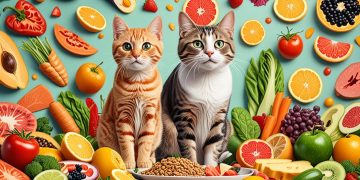
Homemade Food vs. Commercial Feed: What is Best for Your Pet?

This article explores the debate between homemade food and commercial feed for pets, highlighting their respective benefits and drawbacks. It examines nutrition, ingredients, cost, and convenience, emphasizing the importance of tailoring diets to individual pet needs and consulting veterinarians to enhance overall pet health and happiness.

Special Diets for Animals with Food Allergies

Food allergies in pets affect many animals, requiring careful dietary management to enhance their health and well-being. Customized nutrition, whether through specialized commercial diets or homemade meals, is essential for alleviating allergy symptoms. Consulting a veterinarian ensures pets receive the right nutrients while avoiding allergens for optimal quality of life.

The Influence of Nutrition on the Longevity of Pets

Quality nutrition is essential for enhancing pet longevity and health. A balanced diet, tailored to age and specific health needs, can prevent chronic conditions and promote vitality. By making informed dietary choices, pet owners can significantly improve their pets' lifespan, enriching their lives and strengthening their bonds.

Toxic Foods: What to Avoid in Your Pet’s Diet

Ensure your pet's safety by avoiding toxic foods commonly found in kitchens, such as chocolate, grapes, onions, and avocados. Recognizing these dangers is essential for promoting your furry friend's health. Stay informed and consult your veterinarian for tailored dietary recommendations to keep your pets happy and thriving.

Nutrition Strategies for Obese Pets

Pet obesity is a critical issue, affecting nearly half of U.S. dogs and cats. Effective nutrition strategies for obese pets include selecting weight management foods, controlling portions, and incorporating regular exercise. A holistic approach enhances their health, quality of life, and longevity, ensuring happier, healthier furry companions.

Nutritional Supplements: When and How to Use in Cats

Nutritional supplements for cats play a vital role in enhancing health and longevity. By understanding when and how to use them—such as for aging cats, dietary gaps, or specific health conditions—owners can significantly improve their feline companions’ well-being. Consulting a veterinarian ensures safe and effective supplementation tailored to individual needs.

How Nutrition Affects Dental Health in Dogs and Cats

Nutrition plays a vital role in maintaining dental health for dogs and cats. A balanced diet rich in essential nutrients, coupled with appropriate food texture and hydration, helps prevent dental issues like gum disease and tooth decay. Pet owners can enhance their pets' quality of life by prioritizing their dietary choices.