The Rise of Augmented Reality in Cinema: Transforming the Viewer Experience
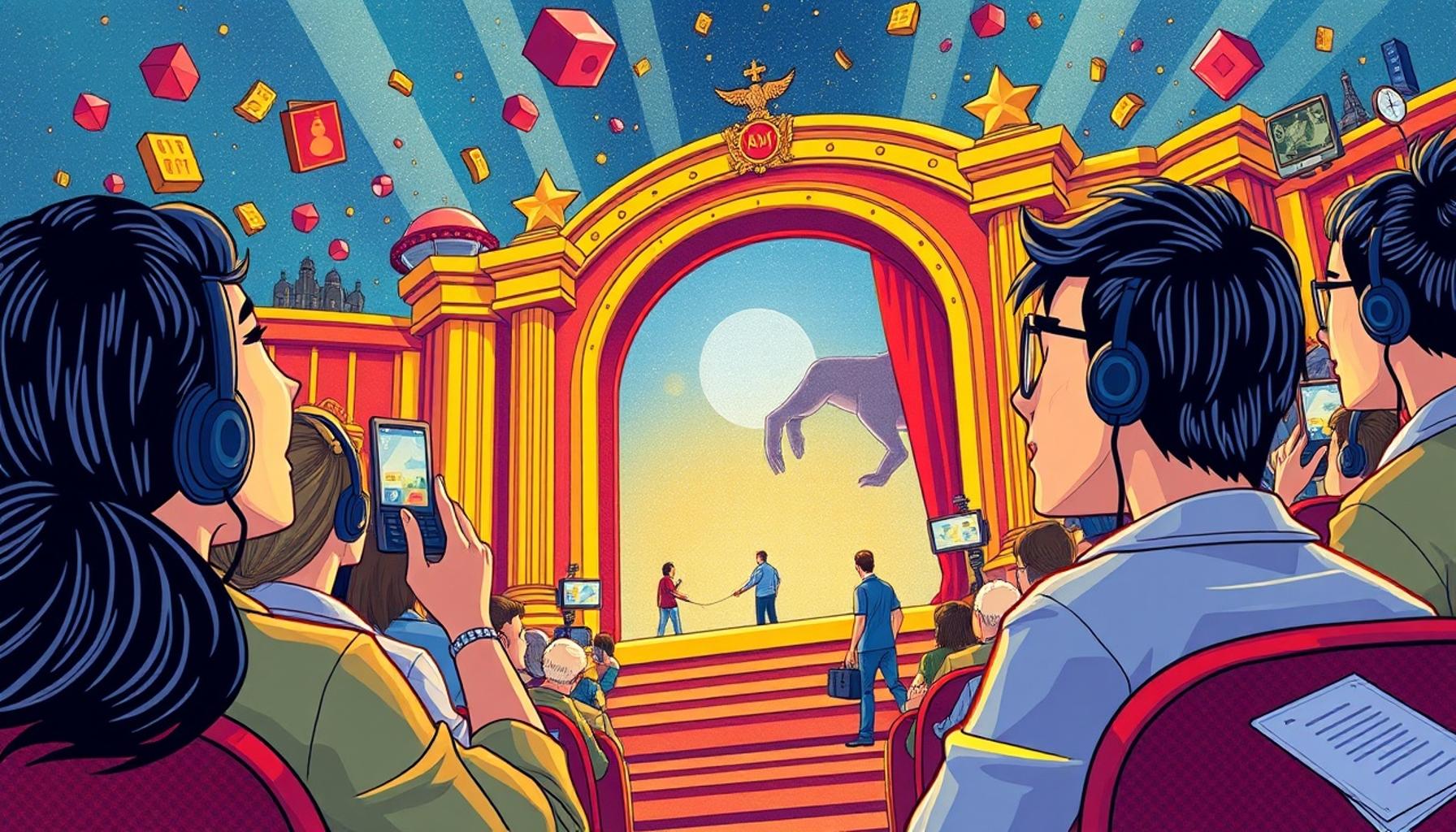
The Transformative Power of Augmented Reality in Film
In recent years, the realm of cinema has undergone a profound transformation, thanks to the advent of augmented reality (AR). This cutting-edge technology merges digital elements with the real world, creating an immersive experience that extends beyond traditional storytelling. As audiences increasingly seek engaging and interactive forms of entertainment, AR is shaping the future of film.
One of the most exciting features of AR in cinema is interactive storytelling. This innovation allows viewers to influence the narrative by making choices through their devices, creating a personalized experience. For example, a film might let audiences decide the fate of a character at pivotal moments, similar to interactive video games like Bandersnatch, an interactive film from Netflix. By involving viewers in the storyline, filmmakers can engage their audience on a deeper emotional level, making the viewing experience much more memorable.
Another key feature is enhanced visuals. Imagine watching a film where digital characters seamlessly interact with real-world locations. This not only elevates the aesthetic quality of the movie but also immerses viewers in a blended reality. For instance, during the release of the live-action remake of The Lion King, AR was utilized in promotional materials to project characters from the film into real-world settings, allowing fans to take pictures alongside their favorite lions. This integration of AR technology into storytelling techniques blurs the lines between fiction and reality, encouraging viewers to engage with the content in new and exciting ways.
The concept of audience participation is also revolutionizing film experiences. Viewers can engage with content outside the theater through AR-enabled apps, deepening their connection to the film. This interactivity has been exemplified by franchises like The Walking Dead and Star Wars, which have released AR experiences allowing fans to explore their favorite universes from home or in public spaces. By enhancing engagement, AR fosters a community of fans who share their experiences on social media, thus broadening the film’s reach and popularity.
Additionally, cinema chains are beginning to explore AR-enhanced ticketing platforms to improve the overall viewing experience. Such technology may include virtual queues, gamified ticket purchases, or interactive pre-show content that sets the stage for the film. This innovation not only enhances the customer experience but also streamlines operations within cinemas, making showings more efficient and enjoyable for everyone involved.
The rise of augmented reality is not merely a trend; it reflects a significant shift in how stories are told and consumed in the cinematic landscape. As filmmakers adapt to these advancements, viewers can look forward to even more exciting possibilities in the world of entertainment. With AR paving the way for immersive storytelling, the future of cinema promises to be dynamic and full of unique experiences that engage audiences like never before.
DISCOVER MORE: Click here to learn about the latest in cinema technology
Redefining Viewer Engagement Through Augmented Reality
As augmented reality (AR) continues to evolve, its impact on cinema is becoming increasingly pronounced. Traditional film experiences are no longer sufficient to captivate audiences who crave more involvement and interactivity. AR bridges this gap by allowing viewers to step inside the narrative, interact with characters, and even influence outcomes, creating a richer tapestry of storytelling. This shift not only enhances the cinematic landscape but also aligns with the contemporary viewer’s desire for engagement.
One particularly compelling aspect of AR in cinema is the integration of real-world environments with digital elements. This combination fosters an immersive experience that captivates the senses and alters perceptions of reality. For instance, consider the AR app developed to accompany the movie Pokémon: Detective Pikachu. Viewers could use their smartphones to find and interact with Pokémon in their surroundings, effectively transforming their neighborhood into a dynamic playground. By integrating elements from the film into everyday life, audiences gain a sense of agency and connection to the story.
Moreover, the use of location-based AR activations is becoming popular as filmmakers seek ways to engage viewers beyond the confines of the theater. These experiences leverage technology to create interactive treasure hunts, scavenger hunts, or exclusive previews in real-world locations. For example, following the release of the film Ghostbusters: Afterlife, fans were treated to special AR experiences in select cities, where they could seek out ghostly apparitions and capture them via their phones. Such initiatives not only establish a buzz around the film but also invite communities to come together and engage in a shared adventure.
In addition to immersive environments, the concept of social interactivity is amplified through AR. By enhancing the cinematic experience, AR allows audiences to share their encounters via social media platforms like Instagram and TikTok, giving them immediate opportunities to connect with other fans. For example, the launch of the AR-enhanced game associated with the horror film It: Chapter Two encouraged participants to venture out into their neighborhoods, capturing and sharing their findings. These interactions not only deepen viewer connections but also create a buzz that can extend a film’s life cycle. The following are some key elements of AR’s impact on social interactivity in cinema:
- Community Building: Fans who experience AR content together are likely to form a stronger connection to the film and each other.
- Expanded Reach: Engaged viewers share their experiences, reaching wider audiences who might not initially have been interested in the film.
- Enhanced Marketing Strategies: Interactive campaigns capitalize on user-generated content, promoting films in an organic and engaging manner.
As augmented reality continues to redefine viewer engagement, it is clear that filmmakers and studios are only beginning to scratch the surface of this technology’s potential. With each new release, audiences can expect innovative ways to be part of cinematic narratives that deepen their connections with both the story and each other. The possibilities are endless, paving the way for a more participatory form of cinema that transforms passive viewers into active participants.
DIVE DEEPER: Click here to uncover more insights
Augmented Reality as a Tool for Storytelling Innovation
In addition to enhancing viewer engagement, augmented reality acts as a powerful tool for storytelling innovation. Filmmakers are increasingly harnessing AR to tell their stories in multidimensional ways that were previously unimaginable. This technology enables new forms of narrative structure, creating rich layers of story that audiences can explore at their own pace. For instance, films like The Lion King have explored immersive AR experiences that allow viewers to dive deeper into the characters’ backstories, offering additional context and emotional depth that traditional storytelling methods cannot provide.
Furthermore, AR can create branching narratives, where the viewer’s choices significantly impact their experience of the story. Consider the example of Netflix’s interactive film Black Mirror: Bandersnatch, which allowed viewers to make multiple decisions that changed the storyline. Integrating AR could enhance this experience by seamlessly merging physical environments with digital choices, so viewers might interact with elements in their real world that directly influence the plot. This evolution in storytelling not only enriches the narrative but also invites viewers to engage more actively, feeling the weight of their decisions.
Bringing Characters to Life
Another fascinating aspect of AR in cinema lies in the ability to bring characters to life in surprising and interactive ways. Through AR applications, fans can interact with their favorite film characters, gaining insights into their personalities and fostering emotional connections. A notable example is the AR platform used to promote the film Star Wars: The Rise of Skywalker. Fans could engage with a life-size hologram of their beloved character, Rey, and even take photos alongside her. This innovation not only builds excitement for the film but also allows fans to feel as though they are part of the universe, thus enhancing their overall cinematic experience.
The integration of AR into promotional materials further illustrates its impact. Traditional marketing and trailers are being enhanced with interactive AR features, allowing fans to access behind-the-scenes content, character bios, or even short clips while enjoying immersive experiences. This advancement not only draws in audiences but also creates buzz, making more fans feel like participants in the film’s journey even before they step into the theater.
Real-World Applications and Future Possibilities
As augmented reality technology continues to develop, its applications in cinema are likely to expand in surprising directions. For example, virtual reality headsets and AR glasses may offer immersive cinematic experiences that allow viewers to step into the scenes or play roles alongside their favorite characters. These possibilities could fundamentally change how stories are told and experienced, blurring the line between reality and fiction.
In the future, audiences might witness AR presentations at film festivals or themed events, where they could interact with the story’s settings and characters in person. Imagine a horror film’s premiere where guests can walk through a haunted house that integrates elements from the movie, feeling the thrill and the ambiance of the narrative. This approach to storytelling could revolutionize marketing strategies and establish a new standard for how films are experienced.
Ultimately, the potential for augmented reality in cinema is vast and still largely untapped. As filmmakers experiment with AR technologies, audiences can expect increasingly engaging and innovative storytelling experiences that transform their relationship with film, forging deeper connections and allowing them to experience narratives in unprecedented ways.
DISCOVER MORE: Click here to dive deeper
Conclusion
In summary, the rise of augmented reality in cinema is reshaping how viewers engage with and experience films. By merging the physical and digital worlds, AR offers filmmakers innovative storytelling tools that create immersive narratives tailored to modern audiences. This technology enables interactive experiences where viewers not only consume content but also participate in shaping it through their choices, heightening emotional connections and making the story more personal.
The ability to bring characters to life and engage audiences through innovative marketing strategies enhances anticipation and excitement, fostering a deeper relationship with the film’s universe. As we envision the future, the potential applications of augmented reality within cinematic storytelling are limited only by our imagination. From interactive film festivals to personalized viewing experiences facilitated by AR glasses, the possibilities are vast and exhilarating.
As filmmakers and technologists continue to push the boundaries of what’s possible, audiences can look forward to a cinematic landscape that is richer, more engaging, and profoundly transformative. The journey of augmented reality in cinema has only just begun, promising to redefine not only how stories are told but also how we experience them, making every viewing an adventure that transcends traditional boundaries. Thus, we stand on the brink of a new era in storytelling where reality and fiction seamlessly coexist, inviting everyone to partake in a shared cinematic journey like never before.

Linda Carter
Linda Carter is a writer and film content specialist focused on movies, entertainment trends, cast insights, and viewing recommendations. With extensive experience helping readers discover new films and better understand the world of cinema, Linda shares her knowledge on our platform. Her goal is to empower readers with practical insights and engaging perspectives to explore movie releases, find worthwhile titles, and enjoy a richer entertainment experience.