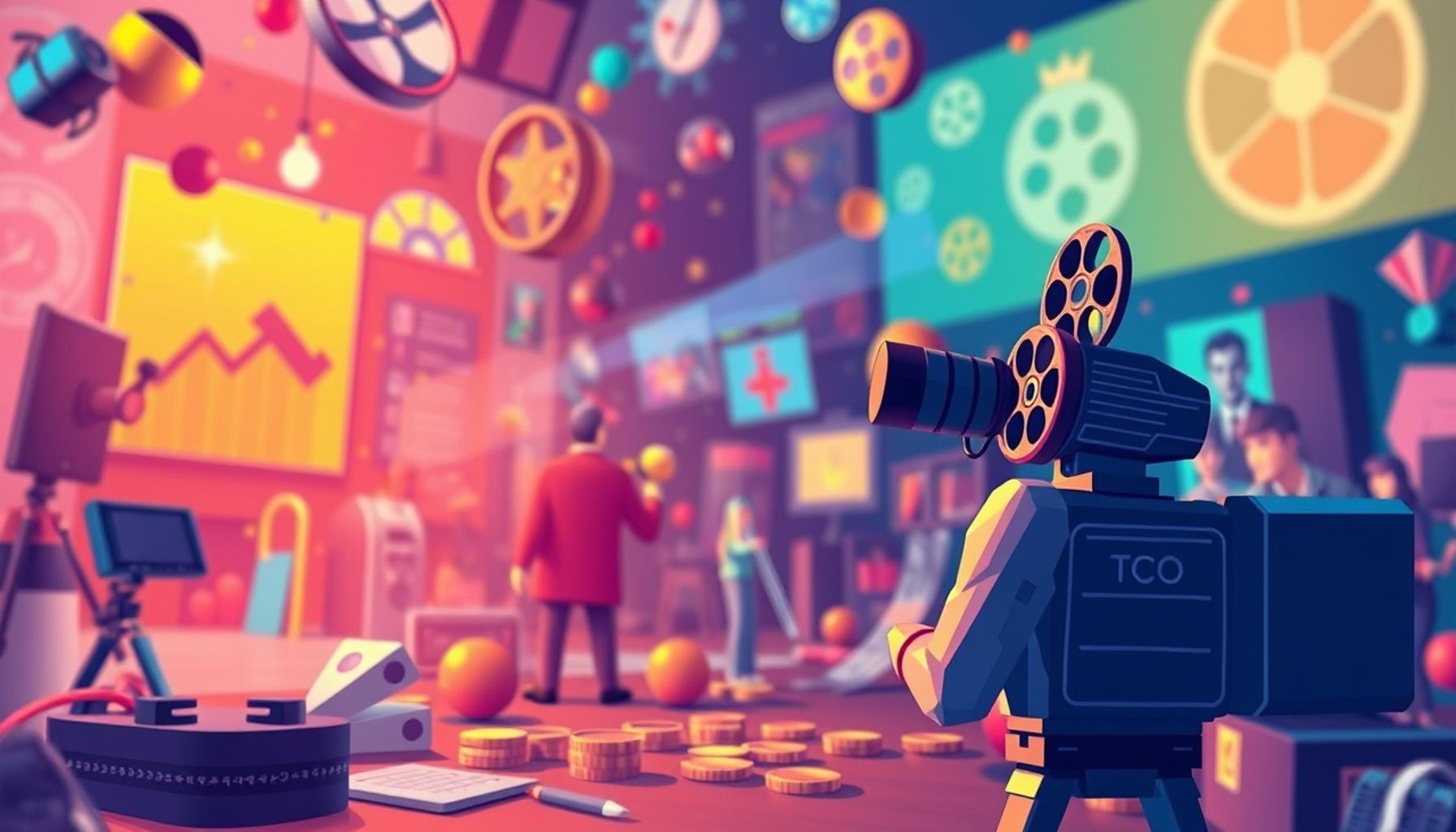
The Role of Robotics in Film Production: Efficiency and Creativity Behind the Scenes

The Rise of Robotics in Film Production
In the realm of filmmaking, the intersection of technology and creativity has paved the way for remarkable innovations. Among these, robotics stands out as a transformative element that is reshaping the very foundation of how films are produced. The incorporation of robotic technology not only enhances efficiency but also fosters creativity, allowing filmmakers to explore new boundaries in storytelling and visual expression.
One of the most significant applications of robotics in film is in camera movement. Robotic camera systems, equipped with advanced programmable controls, can achieve seamless shots that would be incredibly challenging, if not impossible, with traditional methods. For example, the use of a robotic arm can facilitate intricate movements—such as a 360-degree pan around a scene—while maintaining perfect stability. This enables directors to capture dynamic action sequences or emotional close-ups without the risk of shaky footage, ultimately giving them unparalleled control over their visual storytelling.
In addition to camera work, robotics plays a crucial role in set construction. Automated machines are now capable of rapidly assembling complex sets, significantly cutting down on both time and labor costs. For instance, large-scale sets for blockbuster movies can be constructed using robotic systems that autonomously manage heavy lifting and assembly tasks. This not only alleviates the burden on human crews but also allows for greater precision and creativity in set designs, as filmmakers can experiment with more elaborate visual styles.
Furthermore, the realm of special effects has been revolutionized through the integration of robotics. With the use of robotic rigs and animatronics, filmmakers can create lifelike characters and creatures that exhibit realistic movements and expressions. This innovation was notably exemplified in films like “Jurassic Park,” where animatronic dinosaurs impressed audiences with their life-like qualities, demonstrating how robotics makes the impossible possible on screen.
The implications of incorporating robotics in filmmaking extend beyond operational efficiencies; they open up a treasure trove of creative possibilities. As filmmakers become more adept at harnessing these technologies, we can expect to see the emergence of surreal and visually arresting cinema that captivates audiences and leaves lasting impressions. For example, a director might use a combination of robotic puppetry and computer-generated imagery (CGI) to bring to life fantastical characters that seamlessly integrate into live action, creating a richer narrative tapestry.
As we further explore the role of robotics in film production, it is essential to understand how these technologies balance precision and artistic expression. The advancements in robotics not only streamline the production process but also catalyze a new era of filmmaking that embraces efficiency while nourishing the creative spirit. In this evolving landscape, filmmakers are empowered to bring their most imaginative visions to life, forever changing the way stories are told on the silver screen.
DISCOVER MORE: Click here to learn about the future of streaming
Revolutionizing Camera Techniques
The evolution of camera technology in the film industry has been remarkably influenced by robotics. One of the core advantages of robotic systems is their ability to maintain precision and consistency during complex shots. Traditional camera operations often rely heavily on manual input from talented cameramen, which, while skilled, can introduce variables such as unintentional shakes or inconsistencies. Robotic camera systems, however, mitigate these issues by utilizing automated controls that deliver smooth, repeatable movements.
For example, imagine a high-speed chase scene where the camera needs to follow the action closely while flying above the ground. Using a robotic camera drone, filmmakers can achieve dazzling aerial shots that not only add dynamic visuals but also enhance the narrative urgency. The drone can be programmed to follow a specific path, ensuring that the action is captured flawlessly from multiple angles without the risk of human error.
Consider the precision offered by robotic camera arms, such as the ones used in films like “The Avengers.” These mechanical arms can move in intricate patterns and angles that would require multiple camera operators to replicate manually. By pre-programming the movement, directors can precisely plan a series of shots that create a cohesive visual style, adding depth and richness to the film.
Enhancing Visual Effects
Robotics has also found its footing in the realm of visual effects. The advent of robotic animatronics has allowed filmmakers to create characters and creatures that are far more lifelike than traditional puppets or CGI alone. Robotics enables these creations to mimic muscle movements and emotions with a level of realism that captures the audience’s imagination.
For instance, in “War for the Planet of the Apes,” filmmakers utilized motion-controlled robots to assist in creating the character of Caesar. The robotic systems not only contributed to the visual accuracy of the character’s movements but also facilitated interactions between live actors and CGI graphics seamlessly. This combination of robotics and digital effects showcases a new dimension in storytelling where realism enhances viewer engagement.
Streamlining Set Construction
The influence of robotics isn’t confined to camera work and effects; it extends to the very environments created for stories. Set construction has begun to embrace automated robotics, streamlining the process and allowing for more innovative designs. Traditionally, constructing intricate sets required large teams working over extended periods, often leading to costly overruns and delays. With robotic systems, tasks such as lifting, assembly, and even painting can be handled by machines, reducing the need for extensive labor.
For example, using robotic arms equipped for construction tasks, crew members can now program machines to build complex infrastructures, allowing for faster turnaround times and more intricate designs. This shift liberates human talent and creativity, enabling artists and designers to focus on conceptualizing and bringing fresh ideas to the set, rather than being bogged down with manual labor.
- Increased precision in camera operations
- Enhanced realism in visual effects with robotic animatronics
- Efficiency in set construction leading to reduced production costs
The fusion of robotics with film production techniques exemplifies a growing trend that showcases heightened efficiency while catalyzing creative expression. As filmmakers harness these advanced tools, we witness a significant transformation in how stories are conceived and visually experienced on screen.
DISCOVER MORE: Click here to learn about the evolution of streaming
Transforming Animation Techniques
Another area where robotics is making significant strides is in animation. Traditionally, animation has relied heavily on manual skills and countless hours of labor-intensive efforts by animators. With the integration of robotic technology, this process is evolving, allowing for greater creativity and efficiency. Robotic systems, whether they function as animatronic puppets or as tools that capture motion for animated characters, provide filmmakers with groundbreaking methods to tell stories.
For instance, in movies like “The Lion King” (2019), advanced robotics were utilized for motion capture, enhancing the animation process by providing more fluid and lifelike movements. Instead of merely relying on keyframes and traditional animation techniques, the animators took advantage of robotic systems to record and translate the subtleties of live performances into animated sequences. This allows the animated characters to resonate emotionally with the audience, enhancing the storytelling experience.
Robotic Debuts in Live Action
The integration of robotics in live-action films has provided filmmakers with unprecedented opportunities to push the boundaries of storytelling. Robots can now take the place of dangerous stunts or complex interactions, allowing for greater safety and control during filming. This not only safeguards the human cast during risky scenes but also opens the door to creative possibilities that were previously too hazardous or logistically challenging.
A prime example is the use of robotic arms and drones in action sequences. In the “Transformers” series, filmmakers designed intricate robotic rigs that allowed for dynamic stunt choreography and precise camera angles, enhancing the thrilling action. These robotic systems can replicate complex movements and engage with actors seamlessly, giving the illusion that both man and machine are working in perfect harmony. This creates a more immersive experience for the audience, who can become engrossed in the visual spectacle without noticing the technicalities involved.
Future Prospects in Filmmaking
The potential of robotics in the film industry continues to unfold, with new technologies emerging that promise to further enhance filmmaking. Innovations like 3D printing for set designs are being integrated with robotic units to create rapid prototypes of props and sets, allowing filmmakers to visualize scenes in real-time before committing resources. Additionally, companies are developing robotics that can learn and adapt during the filmmaking process, enabling customization based on director feedback, which was previously unthinkable.
This intersection of technology and artistry is igniting a revolution in how films are conceptualized and produced. As robotics software continues to advance, creative professionals can leverage these tools to make their imaginative visions come to life more efficiently than ever before. The partnership between filmmakers and robotic technology signifies an exciting chapter in the evolution of cinema, where the limits of creativity are continually being pushed.
- Robotic technology enhances animation by providing lifelike movements
- Safety and efficiency in live-action scenes through robotic stunts
- Emerging innovations like 3D printing and adaptive robotics promise to change filmmaking
As we delve deeper into the synergy between robotics and film production, it is evident that these tools are not merely replacing traditional methods, but rather enriching them, giving artists the freedom to explore new creative realms while maintaining high levels of efficiency.
DISCOVER MORE: Click here to dive deeper
Conclusion
In summary, the integration of robotics in film production has instigated a transformative shift in both the efficiency of production processes and the depth of creative possibilities available to filmmakers. From enhancing animation techniques that allow for lifelike character movements to introducing robotics in live-action scenarios that ensure safety and elevate action sequences, the marriage of technology and artistry is reshaping cinema as we know it. The ability of robotic systems to perform intricate stunts and assist in creating realistic environments not only safeguards the cast but also enriches the viewer’s experience, making the storytelling more immersive.
As we look to the future, the continued evolution of robotics promises even more innovative tools tailored to the unique demands of filmmakers. The advent of technologies such as 3D printing and adaptive robotics will provide filmmakers with the versatility to experiment and develop their visions more swiftly and accurately than ever before. This synergy between creativity and cutting-edge technology allows for a reimagining of what storytelling in cinema can achieve, hinting at future films that might push the boundaries of imagination we once deemed unreachable.
In recognizing the role of robotics in film production, it becomes clear that these advancements do more than replace human effort; they serve to amplify creative expression, enabling storytellers to explore new frontiers in film. As this collaboration deepens, we can anticipate a future where the fusion of human ingenuity and machine precision creates unforgettable cinematic experiences that captivate audiences for generations to come.

Linda Carter
Linda Carter is a writer and film content specialist focused on movies, entertainment trends, cast insights, and viewing recommendations. With extensive experience helping readers discover new films and better understand the world of cinema, Linda shares her knowledge on our platform. Her goal is to empower readers with practical insights and engaging perspectives to explore movie releases, find worthwhile titles, and enjoy a richer entertainment experience.