The Evolution of Film Marketing in Response to Changes in Consumer Behavior

The Transformation of Film Marketing
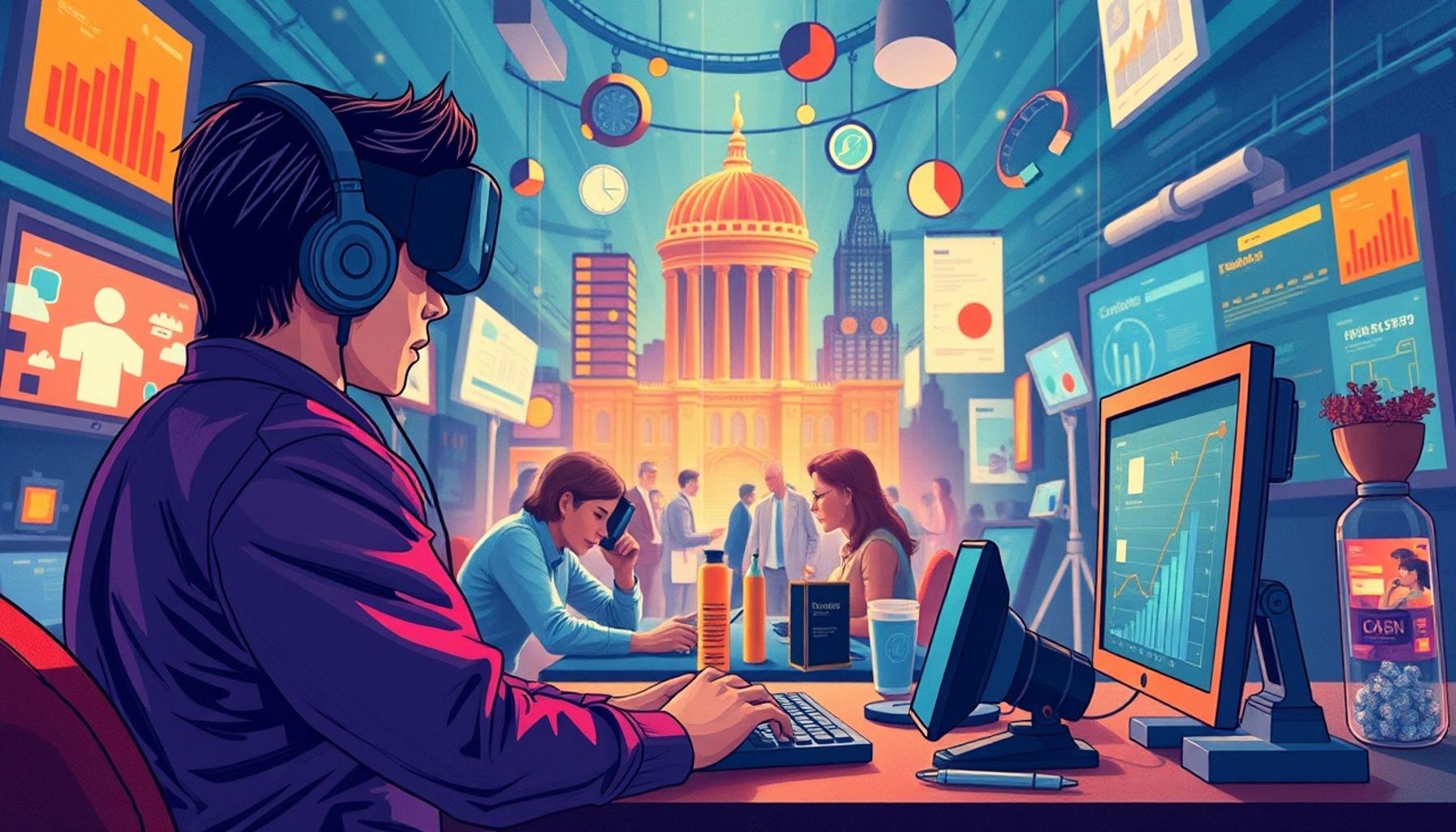
The landscape of film marketing has undergone significant transformation in recent years. With advancements in technology and shifts in consumer behavior, studios are continuously adapting their strategies to engage audiences more effectively. Understanding these changes is crucial for anyone interested in the film industry, as they represent broader trends in how media is consumed today.
Key Factors Influencing Film Marketing
Several key factors have influenced the evolution of film marketing, including:
- The rise of social media platforms
- On-demand streaming services
- The increasing importance of data analytics
Each of these elements has reshaped how movies are promoted and consumed. For example, the rise of social media platforms like Instagram, Twitter, and TikTok has created new avenues for engagement. Filmmakers and studios are now able to communicate directly with their audiences, generating buzz pre-release through trailers, behind-the-scenes content, and interactive campaigns. A notable example is the marketing strategy for the film “Deadpool,” which utilized humor and wit on social media to build anticipation, resulting in a record-breaking opening weekend.
Impact of Streaming Services
On-demand streaming services such as Netflix and Amazon Prime Video have also changed the marketing landscape significantly. Traditionally, films relied heavily on box office metrics, but streaming platforms have introduced subscription-based models where viewer retention is crucial. Studios now focus on creating unique promotional content that highlights how their films will add value to subscribers’ viewing experience. For instance, Netflix’s campaigns for original films often include multiple trailers and exclusive content drops to keep existing subscribers engaged while attracting new ones.
The Role of Data Analytics
The increasing importance of data analytics in marketing strategies cannot be overlooked. With access to vast amounts of viewer data, studios can tailor their marketing approaches based on audience preferences and behaviors. For instance, data analysis can help identify demographic trends, guiding decisions on where and when to run promotional campaigns. By leveraging information, studios can ensure their advertisements hit the target audience effectively, leading to higher engagement rates and ticket sales or subscriptions.
Conclusion
In the evolving film marketing landscape, it is essential to keep an eye on these trends to understand how they shape the industry. By examining real-world examples, such as “Deadpool” or the innovative approaches taken by streaming giants, we can gain insights into the dynamic relationship between consumer behavior and marketing strategies in the film industry. As technology continues to advance and audiences change, the strategies that filmmakers and studios employ will likely continue to evolve, creating exciting new ways for audiences to discover and enjoy films.
DON’T MISS OUT: Click here to discover more about interactive cinema
The Shifting Landscape of Audience Engagement
As film marketing strategies evolve, one of the most notable shifts has been in how studios engage with their audiences. In the past, marketing often relied on traditional media—print advertisements, television spots, and billboards. However, as consumer behavior has changed, particularly among younger demographics, the way films are promoted has had to keep pace. Today, engagement is focused on interaction, personalization, and immediacy, which are essential in capturing the attention of potential viewers.
Engaging Directly with Audiences
One significant change in film marketing is the transition from one-way communication to a more interactive approach. Social media platforms enable filmmakers and studios to engage with fans directly, inviting them to be part of the conversation. For example, during the promotional phase for “Black Panther,” Marvel Studios harnessed the power of Twitter and Instagram to create hashtag campaigns, encouraging fans to share their excitement while generating organic promotion. The hashtag #WakandaForever became a rallying cry, demonstrating that audiences are not just passive consumers but active participants in the marketing process.
The Importance of Authenticity
In today’s digital age, authenticity plays a crucial role in film marketing. Audiences are increasingly skeptical of traditional advertising methods and favor content that feels genuine. This trend has led to partnerships with influencers and content creators who can reach niche audiences in an authentic manner. For example, the marketing for the film “It Follows” utilized influencers’ personal endorsements and reviews to create a buzz that resonated more with audiences than traditional ads would have. This approach reflects a growing trend where audiences seek recommendations from trusted sources over conventional advertisements.
Creating Personalized Experiences
The rise of personalized marketing is another facet of this evolution. Studios are leveraging data to craft tailored experiences that resonate with specific audience segments. By utilizing viewer data, marketing teams can develop targeted advertisements that consider factors such as viewing preferences, past movie attendance, and online behavior. This targeted approach not only improves the effectiveness of campaigns but also increases the likelihood of converting interest into tickets sold or subscriptions acquired.
- Customized trailer releases for specific audiences.
- Exclusive behind-the-scenes content based on viewer interest.
- Interactive polls on social media to gauge audience reactions and preferences.
For instance, the approach taken by the marketing team of the series “Stranger Things” exemplified how personalized engagement could create a sense of community among fans. Their campaigns included themed merchandise, tailored social media messages, and fan-centric events that fostered excitement and loyalty, proving that when audiences feel involved, the potential for success can significantly increase.
In summary, the evolution of film marketing in response to changes in consumer behavior highlights the necessity for studios to rethink their strategies. By fostering direct engagement, prioritizing authenticity, and creating personalized experiences, filmmakers can connect with audiences in ways that were not possible in the past. These shifts not only enhance the marketing landscape but also shape the future trajectory of how films are promoted and received by viewers.
DIVE DEEPER: Click here to learn more
The Role of Technology in Film Marketing
As consumer behavior continues to shift, the integration of technology into film marketing strategies has become increasingly vital. With advancements in digital technology and mobile applications, studios have at their disposal a myriad of tools to create innovative marketing campaigns. This tech-focused shift enables marketers to both reach broader audiences and enhance viewer experiences in ways that were not feasible in the past.
Data-Driven Marketing Strategies
One of the most transformative developments in film marketing has been the ability to collect and analyze vast amounts of data. From tracking social media engagements to analyzing streaming habits, studios can gather insights about their audience that drive more informed marketing decisions. For example, using tools like Google Analytics allows marketers to assess the effectiveness of their campaigns, understanding which aspects resonate most with audiences. This leads to a more targeted advertising approach that reaches the right viewers at the right time—essential for a film’s success in a crowded marketplace.
Virtual and Augmented Reality Experiences
Another exciting innovation is the use of virtual reality (VR) and augmented reality (AR) to immerse audiences in the film’s world. By creating interactive VR experiences, studios can offer fans a taste of the film before its release. The marketing campaign for “The Lion King” utilized AR through Snapchat filters that allowed users to transform themselves into their favorite characters, fostering a deeper emotional connection and excitement for the film. This tactic not only engages viewers but also encourages sharing on social media, amplifying the movie’s reach organically.
The Importance of Content Marketing
Content marketing has also emerged as a leading strategy in film promotion. Rather than directly selling a film through traditional advertisements, studios are now creating compelling content that entertains and informs potential viewers. This approach includes behind-the-scenes videos, interviews with the cast, and even thematic web series connected to the film’s universe. For instance, the marketing for “Wonder Woman” included a series of powerful videos showcasing the film’s themes of empowerment, ultimately drawing in audiences who resonated with its message. By engaging audiences with meaningful content, studios can cultivate a loyal fan base that extends beyond the film’s release.
- Utilizing blogs and vlogs for in-depth analysis and discussions around upcoming films.
- Creating teaser videos and Easter egg hunts in marketing materials to stimulate curiosity.
- Partnering with creative agencies to produce compelling video ads that reflect the film’s essence.
As technology continues to evolve, so too will the strategies employed by film marketers. With the rise of platforms like TikTok, new opportunities for viral marketing emerge, enabling studios to harness trends and challenges to promote their films engagingly. By staying abreast of technological advancements and adapting to new consumer behaviors, film marketers can innovate and reshape how films are perceived, ultimately enhancing the overall viewer experience.
DISCOVER MORE: Click here to find out how digital media is transforming your leisure experiences</a
Conclusion
In conclusion, the evolution of film marketing in response to changes in consumer behavior has been marked by a remarkable adaptation to the preferences and habits of modern audiences. As we have explored, the rise of digital technology has transformed traditional marketing practices into dynamic, interactive experiences. With tools like data analytics, marketers can now create targeted campaigns that resonate deeply with specific viewer segments, ensuring that films reach their intended audiences effectively.
Furthermore, the innovative use of virtual and augmented reality demonstrates how studios can engage potential viewers in powerful ways, allowing them to connect with film narratives before they even reach theaters. Content marketing has also emerged as a central strategy, focusing on creating meaningful narratives that not only promote films but also build lasting connections with fans.
As consumer behaviors continue to evolve, film marketing must likewise adapt to trends such as the rise of social media platforms and changing viewing habits. This adaptability isn’t just a strategy; it’s vital for survival in an increasingly competitive market. By embracing new technologies and cultivating authentic engagement, film marketers can not only enhance the promotional landscape but also enrich the overall cinematic experience.
Looking ahead, the collaboration between marketers and audiences will likely deepen, establishing a two-way dialogue that further personalizes how films are introduced to the public. As we witness more innovative approaches, it becomes clear that the future of film marketing will be defined by its ability to respond to the ever-changing landscape of consumer preferences.

Linda Carter
Linda Carter is a writer and film content specialist focused on movies, entertainment trends, cast insights, and viewing recommendations. With extensive experience helping readers discover new films and better understand the world of cinema, Linda shares her knowledge on our platform. Her goal is to empower readers with practical insights and engaging perspectives to explore movie releases, find worthwhile titles, and enjoy a richer entertainment experience.