The Future of Home Cinema: How Digital Media Is Changing Consumer Expectations Regarding Leisure
The Home Cinema Shift
Home cinema enthusiasts are experiencing an extraordinary technological revolution that is dramatically reshaping their viewing experiences. This transformation is not just a trivial upgrade; it represents a fundamental shift in consumer preferences that have compelled the industry to evolve rapidly. Thanks to advancements in digital media, the way we consume films and television has become more convenient and engaging than ever before, forever changing leisure activities undertaken from the comfort of our own homes.
Today’s consumers are searching for more than just a basic movie night in their living rooms. They now seek:
- Seamless streaming: With platforms like Netflix, Hulu, and Amazon Prime, viewers have access to vast libraries of films and shows at the click of a button. Subscribers can easily explore different genres or discover new releases without the need for physical media, making the experience more user-friendly.
- Ultra-high-definition visuals: Expectations for stunning picture quality have reached new heights, with 4K and even 8K resolutions becoming standard for many viewers. This demand for clarity can transform an average film into a visually stunning experience, especially for nature documentaries or action films with elaborate special effects.
- Immersive audio: High-quality surround sound systems, such as Dolby Atmos, have become a must-have. These systems can be set up to create a sound environment that makes viewers feel as though they are part of the action, enhancing the enjoyment significantly. Imagine hearing the rustle of leaves behind you during a suspenseful scene—this is the power of immersive audio.
As a result of these evolving tastes, home cinema setups are adapting to meet these new demands with essential features that enhance the overall experience. Key characteristics of modern home theaters now include:
- Smart technology: Many new TVs and devices come equipped with smart technology. This integration allows users to connect with other smart home systems, and even control their viewing experience using voice commands through devices like Amazon Alexa or Google Assistant.
- Personalized content recommendations: Streaming services utilize sophisticated algorithms to analyze viewing habits, tailoring content suggestions to individual preferences. This ensures that viewers are always presented with options they are likely to enjoy, truly personalizing their entertainment experience.
- Multi-device connectivity: The ability to enjoy content across various platforms—from large smart TVs to tablets and even smartphones—has become indispensable. This flexibility provides viewers with the option to seamlessly transition from watching a movie on the big screen to catching up on a show during a commute.
This shift towards a more connected and enriched viewing experience is generating excitement not only for consumers but also for industry leaders who are tasked with keeping pace with these trends. Understanding these evolving preferences is crucial for anyone looking to navigate the future of home cinema successfully. As technology continues to advance, it is certain that the home viewing experience will only become more immersive and tailored to individual tastes.
DISCOVER MORE: Click here to delve deeper
Adapting to Consumer Trends
The evolution of home cinema is not just about better screens or improved audio; it is about a comprehensive understanding of what modern consumers truly desire. As digital media continuously shapes the landscape, understanding these changing consumer expectations becomes critical for both manufacturers and service providers. With binge-watching marathons on the rise and quality content being a primary draw, several key factors are influencing how we set up our home viewing environments.
One of the most significant shifts has been the increased demand for personalization. Consumers now expect viewing experiences that are not only tailored to their preferences but also reflect their unique lifestyles. Think about how Netflix curates specific collections based on user behavior—this kind of targeted offering allows viewers to find new content that resonates with their interests without endless scrolling to serendipitously uncover a gem. This level of personalization keeps viewers engaged and enhances their overall enjoyment.
Furthermore, convenience has become synonymous with leisure activities. Gone are the days where visiting a video rental store was a typical Saturday night outing. Current consumers value the ability to access their favorite films and series anytime, anywhere, with minimal hassle. Some contributing factors to this trend include:
- On-Demand Viewing: With services such as Disney+ and HBO Max, consumer tastes lean heavily towards on-demand options. People don’t want to adjust their schedules to fit the programming; rather, they expect the programming to fit their schedules.
- Multi-Screen Solutions: Today, viewers experience multimedia through various devices, including smartphones and tablets. For example, many parents catch up on their favorite shows while waiting for their kids after school. This multi-device ecosystem is transforming how families interact with media.
- Content Variety and Quality: Viewers have more choices than ever, from classic films to cutting-edge series. The rise of indie films and documentaries on platforms like Vimeo shows how diverse content options can cater to niche audiences, ensuring that there is something for everyone.
This pursuit of convenience is also redefined by the integration of smart home technology. Smart TVs that connect to the internet not only allow for seamless access to streaming services but also let consumers control their viewing experience through voice commands. Imagine adjusting the volume or switching channels without lifting a finger—it’s a reality that today’s tech-savvy viewers increasingly expect.
As we explore the future of home cinema, it’s evident that understanding and embracing these evolving consumer expectations is essential. As the lines between physical media and digital content continue to blur, manufacturers and content creators alike must remain agile in adapting to the demands of their audience. This shift presents a unique opportunity for innovation, pushing the boundaries of what home leisure can truly be.
DIVE DEEPER: Click here to discover more
The Rise of Immersive Experiences
As consumer expectations evolve, one of the most transformative elements shaping the future of home cinema is the demand for immersive experiences. Gone are the days when watching a movie at home meant simply having a big screen and good sound. Today’s viewers are looking for ways to feel like they are part of the action. This desire has led to the integration of technologies such as virtual reality (VR) and augmented reality (AR) into home entertainment.
Virtual Reality Cinemas are emerging as an exciting frontier for home cinema enthusiasts. Companies like Oculus have developed headsets that transport viewers into immersive environments, allowing them to watch movies from the comfort of their own homes while experiencing the sensation of being in a theater or in fantastical settings. This technology not only enhances the way stories are told but also creates an interactive platform where users can explore narratives in new and engaging ways.
Augmented Reality, similarly, is making waves in how we experience cinema. AR applications can overlay digital content on the physical environment, providing interactive narratives that can blend seamlessly with the real world. For example, imagine watching a movie where character information and trivia appear as you interact with the film, providing a richer contextual experience. This technology caters to the increasingly engaged and tech-savvy audience that craves more than just passive consumption.
Moreover, the trend towards high-quality visuals cannot be overlooked. Consumers are now accustomed to seeing content in stunning detail and vibrant colors that only advanced technologies can provide. The rise of 4K and 8K resolution TVs has made it essential for content creators and distributors to provide high-definition content that meets viewers’ expectations. With devices like the latest OLED and QLED TVs becoming mainstream, viewers are prioritizing picture quality to elevate their home cinema experience.
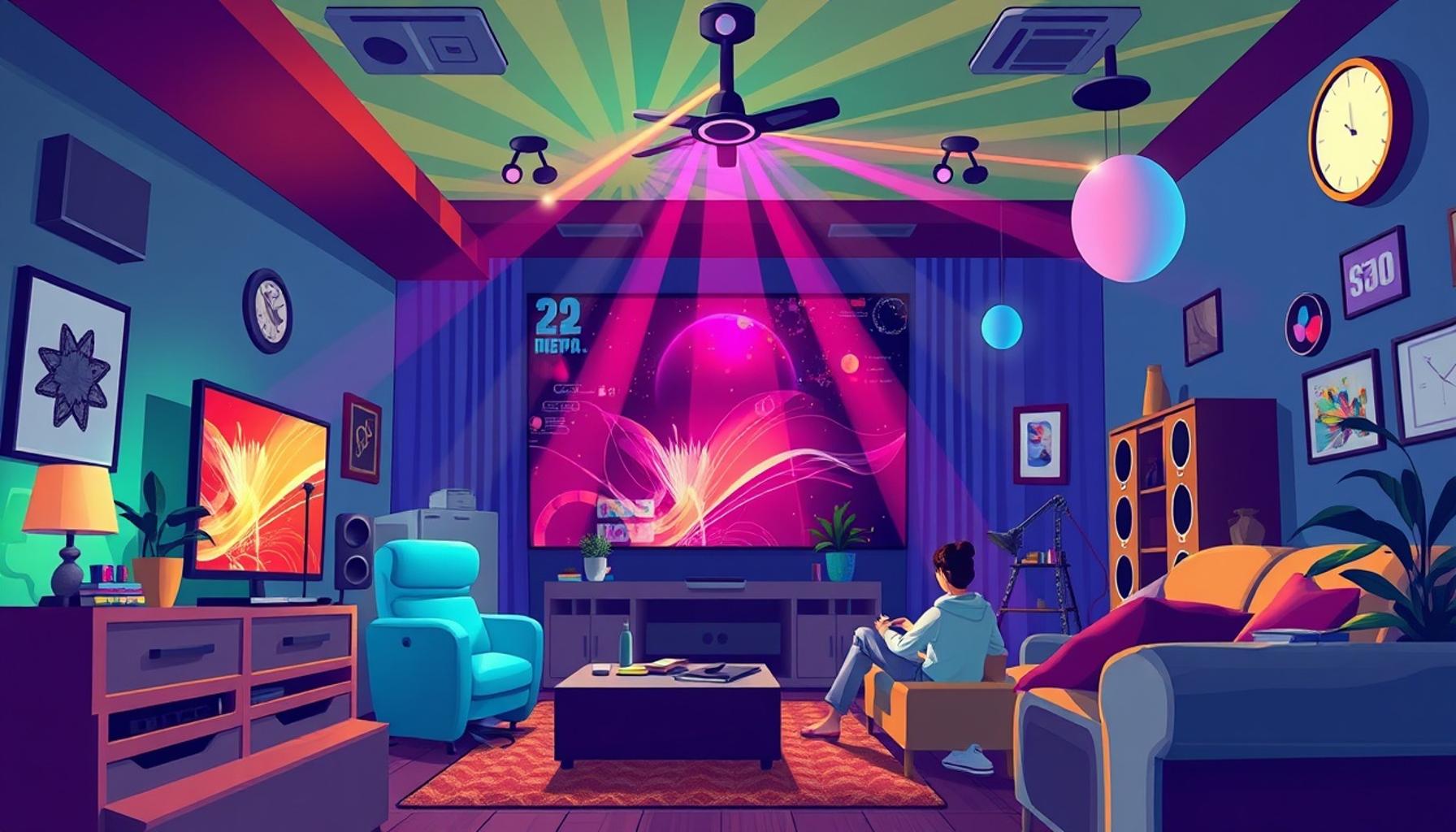
Smart home integration plays a pivotal role in realizing these enhanced cinematic experiences. Imagine a home cinema that syncs with your personal preferences. With the advent of home automation systems, consumers can now create personalized viewing atmospheres with a single command. By integrating lighting, sound, and even reclining features, a simple adjustment can transform an ordinary movie night into a fully immersive event. This seamless transition from day to night creates an environment where entertainment can thrive and family and friends gather comfortably.
Moreover, the influence of social media on consumer expectations cannot be underestimated. Platforms like TikTok, Instagram, and YouTube are reshaping content consumption habits. With the rise of short-form videos and shared experiences, consumers expect to engage actively with their preferred content, whether through recommendations by influencers or interactive posts. This trend pushes studios and content creators to craft experiences that are not only exceptional in quality but also easily shareable, creating a new dimension of leisure that intertwines social interaction with entertainment.
As we navigate this evolving landscape, it becomes imperative for those in the home cinema industry to stay attuned to these trends. The future is not just about viewing; it’s about creating holistic experiences that resonate with diverse audiences. It’s a dynamic shift where every aspect—from technology to storytelling—is intertwined, paving the way for innovative developments in the realm of home entertainment.
DIVE DEEPER: Click here to learn more
Conclusion
In conclusion, the future of home cinema is poised for remarkable transformation as digital media continues to reshape consumer expectations. Today’s viewers demand more than just high-definition images or a large screen; they seek immersive experiences that transport them into the stories unfolding on-screen. As technologies like virtual reality and augmented reality make their way into the home entertainment landscape, the boundaries between passive viewing and active participation are blurring.
The shift towards high-quality visuals indicates that viewers are unwilling to compromise on picture and sound quality. As 4K and 8K televisions become commonplace, content creators must step up to meet these elevated standards. Combining this with smart home integration allows for personalized experiences that adapt to individual preferences, further enhancing the overall enjoyment of cinema at home.
Moreover, the ever-increasing influence of social media is changing how we engage with film and television, encouraging an environment where consumer interaction and shared experiences are essential. This evolution challenges studios and content creators to craft more than just narratives; they must create shareable memories that resonate with audiences and foster community.
As we move forward, it is crucial for all stakeholders in the home cinema industry to embrace these changes. By marrying advanced technology with storytelling, the future of home cinema has the potential to redefine leisure, making it not just a solitary experience but a collective one that draws people closer together, enhancing the enjoyment of storytelling in profound ways.

Linda Carter
Linda Carter is a writer and film content specialist focused on movies, entertainment trends, cast insights, and viewing recommendations. With extensive experience helping readers discover new films and better understand the world of cinema, Linda shares her knowledge on our platform. Her goal is to empower readers with practical insights and engaging perspectives to explore movie releases, find worthwhile titles, and enjoy a richer entertainment experience.