Digital Media and Diversity: How New Technologies are Open to Inclusive Narratives in Cinema
The Impact of Digital Media on Cinema
The rapid advancement of digital media and technology has dramatically reshaped the cinematic landscape over the past two decades. This transformation not only streamlines the filmmaking process but also revolutionizes the way stories are crafted and shared. Filmmakers are now equipped with an unprecedented arsenal of tools that democratize the industry and promote diversity in storytelling.
One significant way this change manifests is through the accessibility of production tools. In the past, creating a film often required significant financial investment in expensive equipment and professional expertise. However, today’s digital platforms provide affordable options for filmmaking. For instance, anyone can use a smartphone camera and readily available editing software to shoot and edit a film. This newfound accessibility empowers underrepresented voices in the industry, allowing them to create narratives that reflect their unique experiences and cultures. Notable examples include films like “Tangerine,” which was shot entirely on an iPhone and garnered critical acclaim.
Additionally, the advent of global distribution platforms like Netflix, Amazon Prime Video, and Hulu has revolutionized the accessibility of diverse films. These platforms have not only made it easier for filmmakers to share their work with a global audience but have also given viewers exposure to stories and cultures they may not encounter in traditional cinema. For example, films like “Roma,” which highlights Mexican culture and family dynamics, have found international success thanks to digital distribution, reaching audiences far beyond their country of origin.
An exciting development is the emergence of interactive content, such as Netflix’s “Black Mirror: Bandersnatch,” where viewers can make choices that impact the narrative. This kind of storytelling fosters engagement across different communities, allowing viewers to feel more personally connected to the narrative. Such interactivity not only includes the audience but also encourages diverse storytelling techniques that reflect the multifaceted nature of modern culture.
The movement towards inclusivity and diverse representation in cinema is crucial, as it significantly enhances the richness and depth of storytelling. Audiences gain access to a colorful tapestry of varied experiences that mirror the complexity of contemporary society. As filmmakers embrace these digital resources, they can craft narratives that are not only captivating but also serve to educate and inspire audiences on various social issues.
In conclusion, the fusion of digital media with diverse storytelling is setting the stage for a more vibrant cinematic future. By embracing this shift, we can foster an inclusive environment within the film industry where every voice has the potential to resonate—reinforcing the important role of cinema as a platform for understanding and connection in our increasingly interconnected world.
DIVE DEEPER: Click here to discover how data enhances your cinematic journey
Democratization of Filmmaking
The landscape of filmmaking has become increasingly democratized due to advancements in digital media. Previously, barriers such as high production costs and access to distribution channels made it difficult for aspiring filmmakers, especially those from diverse backgrounds, to enter the industry. Today, the accessibility of necessary tools and platforms allows creators from all walks of life to share their unique stories. This evolution has turned the once exclusive world of cinema into a more inclusive space where diverse narratives can thrive.
Digital innovations have played a pivotal role in this transformation. Let’s explore a few key changes that have facilitated this shift:
- Affordability of Equipment: Advances in technology have drastically reduced the costs associated with filmmaking. High-quality cameras, microphones, and editing software are now more affordable and can often be accessed through apps on smartphones. For instance, the availability of tools like Adobe Premiere Rush and Final Cut Pro allows budding filmmakers to produce visually stunning projects without the financial burden of traditional equipment.
- Online Learning Resources: The rise of platforms such as YouTube, Skillshare, and Coursera has made it possible for aspiring filmmakers to hone their craft through online tutorials. These resources democratize knowledge, empowering individuals to learn about cinematography, screenwriting, and editing at their own pace. This access to education is changing the face of the industry by nurturing talent from a broader range of backgrounds.
- Social Media Marketing: Filmmakers can utilize social media platforms to promote their projects and build an audience before their films are even released. This has created unique marketing possibilities where diverse narratives can gain traction and spotlight, attracting attention from audiences interested in different cultural experiences.
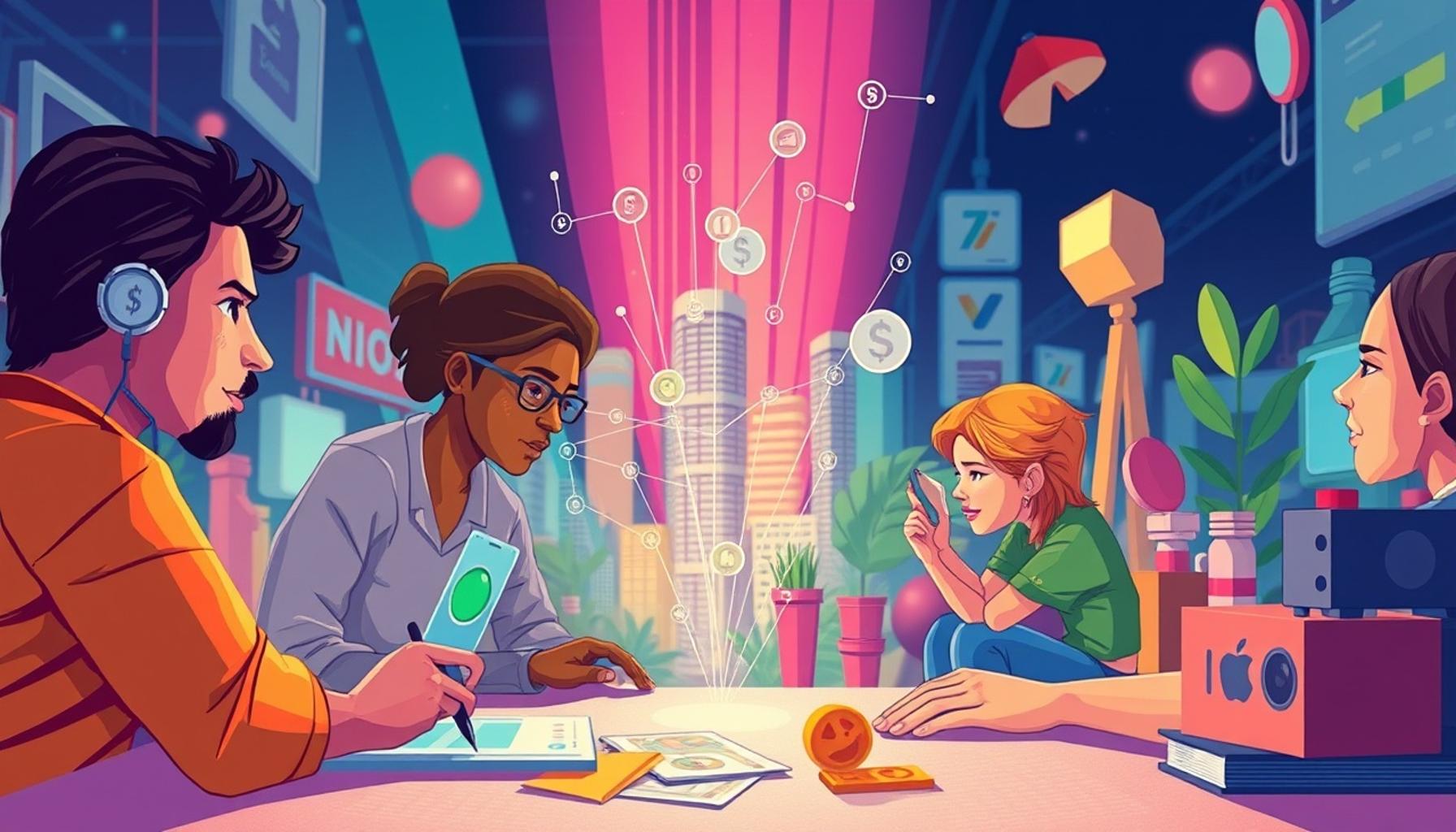
Moreover, the way in which films are funded has also evolved. Crowdfunding platforms such as Kickstarter and Indiegogo enable filmmakers to pitch their projects directly to potential audiences, thereby raising funds from those passionate about specific stories. This model not only allows for greater creative control but also opens the door for pitches that reflect diverse perspectives that might have been overlooked by traditional investors.
As digital media continues to dissolve traditional barriers within the film industry, the door has opened wide for stories that highlight marginalized communities. As a result, audiences are increasingly being introduced to a range of voices and narratives that resonate on a global scale, fostering a greater understanding of cultural diversity. This cultivation of inclusivity is crucial in shaping the future of cinema, where everyone has the opportunity to share their voice through the lens of film.
DISCOVER MORE: Click here to learn about the impact of motion capture technology
Expansion of Distribution Channels
In addition to democratizing the filmmaking process, advancements in digital media have transformed distribution avenues, making it easier for diverse narratives to reach broader audiences. Traditionally, filmmakers relied on major studios and cinemas to distribute their films, often limiting exposure for minority creators. However, digital platforms have disrupted this status quo, allowing independent filmmakers to showcase their work directly to viewers.
Streaming services like Netflix, Amazon Prime, and Hulu have significantly expanded the market for content by providing a vast array of films and series, including those that spotlight underrepresented voices. These platforms actively seek diverse programming to attract wider audiences and have initiated initiatives to fund and support stories that reflect minority experiences. For example, Netflix’s “Representation Matters” campaign aims to boost visibility for marginalized communities by investing in projects that tell their unique stories. This not only amplifies diverse narratives but also offers filmmakers much-needed financial backing.
Furthermore, the rise of niche platforms has allowed for even greater representation. Services like Criterion Channel and Shudder cater to specific genres or audiences, ensuring that films that might not find a home in mainstream distribution channels can still thrive. This special focus helps storytellers from various backgrounds reach empathetic audiences who are eager to engage with different cultural perspectives.
- Direct-to-Consumer Models: Emerging platforms enable filmmakers to distribute their projects directly to viewers. Platforms like Vimeo and Patreon allow filmmakers to share their work independently, empowering them to cultivate a dedicated audience base. This shift not only reinforces creators’ artistic independence but encourages storytelling that reflects diverse experiences without the pressure to conform to mainstream expectations.
- Virtual Film Festivals: The pandemic-driven shift to virtual events showcased movies globally, allowing a wider audience to access films regardless of geographical barriers. Festivals like Sundance and Tribeca embraced online formats, granting filmmakers from diverse backgrounds increased visibility. Notably, films with intersectional narratives, such as “Minari” and “The Farewell,” gained traction through these virtual platforms, reaching audiences who may not have attended an in-person festival.
The impact of social media extends beyond marketing; it is also a vital tool for connecting communities. Filmmakers leverage platforms such as Instagram and Twitter to engage directly with audiences, share behind-the-scenes insights, and foster discussions around their work. This level of interaction helps create a loyal fan base while encouraging conversations around important social issues, thereby enriching the discourse surrounding diverse narratives.
Moreover, the representation of diverse voices fosters communal engagement. As more films reflecting different cultures and identities make their way into the mainstream, audiences find common ground and develop empathy for varied lived experiences. The normalization of diversity in media representation plays a crucial role in reshaping societal perceptions and affirming that everyone has a place in the storytelling landscape. By using digital media to broaden access to films, we are witnessing a significant shift in how stories are told and shared, ultimately promoting a richer cultural tapestry in cinema.
DIVE DEEPER: Click here to unlock the secrets of data analysis in cinema
Conclusion
The intersection of digital media and diversity in cinema represents a transformative era where storytelling is accessible, varied, and inclusive. By democratizing the production and distribution processes, new technologies have enabled filmmakers from all backgrounds to share their unique narratives, fostering a richer cinematic landscape that reflects the multifaceted nature of society. This shift has profound implications for representation, as diverse voices gain the opportunity to resonate with broad audiences, challenging the traditional gatekeeping prevalent in the film industry.
Moreover, the rise of streaming platforms, niche services, and effective use of social media has dismantled barriers that once confined stories to limited viewpoints. Independent creators can now share their work directly with viewers, while community engagement flourishes through interactive discussions and support. As seen with initiatives like Netflix’s “Representation Matters” and the success of virtual film festivals, these technologies empower filmmakers to not just tell their stories but also to spark dialogue about important social issues.
As we continue to embrace advancements in digital media, it becomes essential to recognize the value of diverse narratives in enriching our collective cultural experience. By fostering inclusivity within cinema, we not only celebrate varied identities but also cultivate empathy and understanding among audiences. The journey toward a more inclusive media landscape is ongoing, but through the lens of digital innovation, we are witnessing a promising evolution that has the potential to shape the future of storytelling for generations to come.

Linda Carter
Linda Carter is a writer and film content specialist focused on movies, entertainment trends, cast insights, and viewing recommendations. With extensive experience helping readers discover new films and better understand the world of cinema, Linda shares her knowledge on our platform. Her goal is to empower readers with practical insights and engaging perspectives to explore movie releases, find worthwhile titles, and enjoy a richer entertainment experience.