Behavioral Training Methods to Increase Obedience in Pets

Understanding Behavioral Training Methods
Training your pet can bring immense joy and satisfaction, but it often comes with its own set of challenges. One of the most effective ways to ensure a harmonious relationship with your pet is by mastering behavioral training methods. These methods are not only about instilling obedience but also about nurturing trust and understanding between you and your furry companion. This article will provide an in-depth look at effective strategies that can help enhance your pet’s behavior while strengthening your emotional bond.
Positive Reinforcement
Positive reinforcement is a cornerstone of humane training techniques. This approach emphasizes rewarding desired behaviors rather than punishing undesired ones. For instance, when your dog sits on command and you immediately give it a treat or praise, it creates a direct connection in their mind between good behavior and positive outcomes. Over time, this consistent reward system leads to improved obedience. An interesting study by the American Veterinary Society of Animal Behavior suggests that methods based on positive reinforcement are more effective than those involving punishment.
Clicker Training
Clicker training is another popular method that uses a distinct sound to communicate with your pet. When you click a handheld device at the exact moment your pet performs a desired behavior, you create a powerful association in their mind. For example, when training your cat to jump through a hoop, clicking at the precise moment it jumps reinforces that action positively. Clicker training enhances communication and provides a clear structure for your pet, making it easier for them to learn what is expected of them.
Socialization Techniques
One often overlooked aspect of training is socialization techniques. Early interactions with other animals and people can be crucial for a pet’s development. For example, puppy socialization classes, which are popular across the United States, help puppies learn to interact with other dogs and humans in a controlled environment. This experience builds their confidence and helps them develop the discipline necessary to behave appropriately in various situations. Conversely, pets that are not properly socialized may exhibit fearful or aggressive behavior as they grow.
Each method of behavioral training comes with its own unique set of benefits, tailored to address specific challenges that pets—and their owners—face. While some pets respond enthusiastically to food rewards, others may flourish with heartfelt verbal praise or playtime as motivation. This variability in response underscores the importance of tailoring your training approaches to your pet’s individual personality.
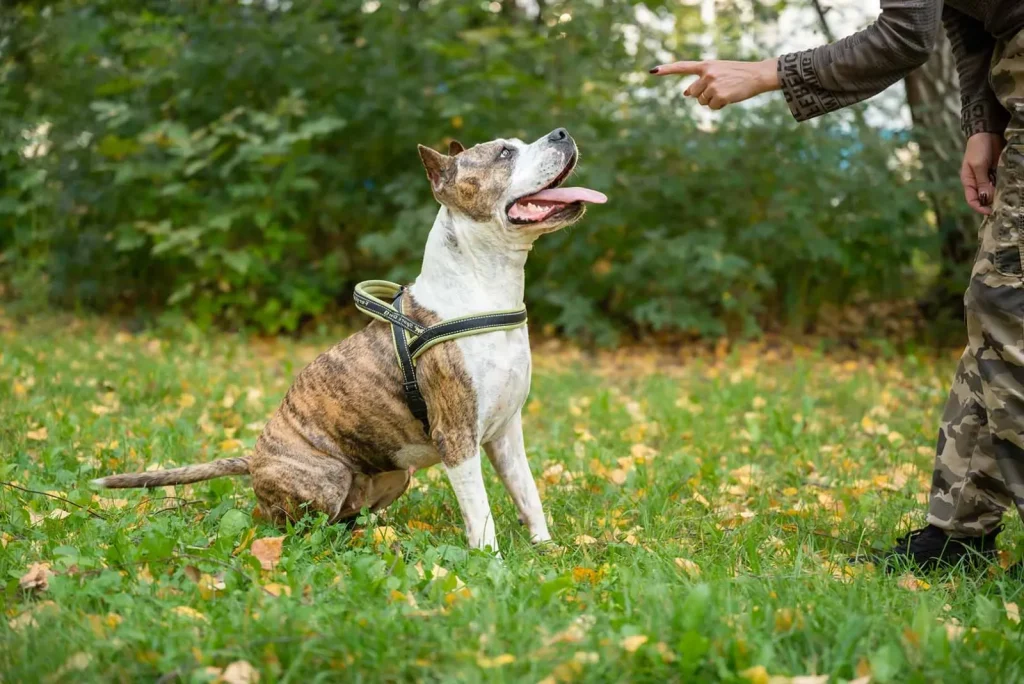
Across the United States, many pet owners are increasingly adopting behavioral training methods to address common behavioral issues such as excessive barking, destructive chewing, and even anxiety-related aggression. The primary aim of these methods goes beyond simply creating a well-behaved pet; they focus on establishing a supportive relationship that greatly enhances the quality of life for both pets and their owners.
As you continue reading, we will delve deeper into each of these methods, offering practical tips and insights that you can easily integrate into your own training routine. Whether you’re a first-time pet owner or a seasoned caregiver, the right training approach can transform your pet’s behavior and enrich your time together.
DIVE DEEPER: Click here to learn more
Effective Strategies for Enhancing Obedience in Pets
When it comes to fostering a well-behaved pet, understanding various behavioral training methods can be invaluable. Each approach serves a specific purpose and caters to the unique needs of your pet, ultimately leading to improved obedience and a stronger bond between pet and owner. Below, we will explore some of the most effective strategies that can help transform your pet’s behavior.
Establishing a Consistent Routine
A crucial component of any training regimen is establishing a consistent routine. Pets thrive on predictability, and having a structured schedule for feeding, walks, and playtime can significantly enhance their ability to learn commands and expectations. For instance, setting aside specific times each day for training sessions allows your pet to anticipate these moments, making them more receptive to learning.
- Mealtime Training: Use feeding time as an opportunity to reinforce basic commands like “sit” or “stay.” This creates a tangible connection between training and rewards.
- Daily Walks: Incorporate training into your walks. Practicing loose leash walking or recall commands during your outings can reinforce good behavior outside the home.
- Playtime: Use engaging games like fetch or tug-of-war as a reward for good behavior. This not only enhances their willingness to follow commands but also strengthens your bond.
Behavior Shaping Techniques
Another effective approach in behavioral training is the concept of behavior shaping. This technique involves rewarding successive approximations of a desired behavior until the final goal is achieved. For example, if you want your dog to roll over, you might start by rewarding them for simply lying down, gradually increasing the expectation to include rolling onto their side, and eventually rolling over completely. This method is particularly effective for complex commands, as it breaks the behavior down into manageable stages.
Additionally, integrating environmental control measures can greatly enhance the success of these training methods. This involves modifying the environment to minimize distractions and temptations, allowing your pet to focus better during training sessions. For example, if your dog is easily distracted by the doorbell, consider practicing commands in a quiet room away from these stimuli until they have mastered the behavior.
Video and Technology-Based Training
With the rise of technology, many pet owners are beginning to explore video tutorials and online training programs. These resources offer a wealth of information about training methods, including visual demonstrations that can be particularly useful for visual learners. Online platforms often provide step-by-step guides that cater to different skill levels, making it easier for you to find the right approach for your pet.
As you delve deeper into the array of behavioral training methods, remember that patience and persistence are key. Tailoring approaches based on your pet’s unique personality and needs will not only facilitate improved obedience but will also enrich your relationship. With the right strategies in hand, every session can be an opportunity for growth, learning, and an unforgettable bond with your beloved pet.
Explore Effective Behavioral Training Methods for Increased Pet Obedience
When it comes to fostering a well-behaved pet, implementing behavioral training methods can be the game-changer you seek. Not only do these techniques strengthen the bond between you and your furry companion, but they also enhance your pet’s overall behavior. Here’s a detailed exploration of effective training methods that can lead to greater obedience in your pets.
| Training Method | Key Benefits |
|---|---|
| Positive Reinforcement | Encourages desired behavior through rewards, leading to happier pets. |
| Clicker Training | Promotes quick learning as the sound marks the exact moment of correct behavior. |
| Desensitization | Helps pets to become more comfortable with new experiences, reducing anxiety. |
| Leash Training | Teaches your pet how to walk calmly, making outdoor activities more enjoyable. |
| Socialization Techniques | Exposure to different environments and animals fosters adaptability and confidence. |
Understanding these behavioral training methods not only enhances your pet’s obedience but also enriches your relationship. Each technique can be tailored to your pet’s unique personality and needs, ensuring a customized training approach. If you are eager to dive deeper into these fascinating methods of pet obedience enhancement, stay tuned for more detailed insights on how each method can transform your training experience.
DISCOVER MORE: Click here to learn how nutrition affects your pet’s lifespan
Advanced Techniques for Promoting Obedience in Pets
As pet owners seek to refine their furry companions’ behaviors, delving into advanced behavioral training methods can yield extraordinary results. These strategies are designed not only to improve obedience but also to enhance the mental stimulation and overall well-being of the pet. Below, we will examine several advanced techniques that take your training to the next level, fostering a more obedient and engaged pet.
Clicker Training
Clicker training is a popular positive reinforcement technique that utilizes a small handheld device that makes a distinct clicking sound. This audible cue serves as a marker for your pet, signifying that they have performed the desired action correctly. The immediate feedback boosts clarity for the pet, making it easier for them to connect the behavior with the reward that follows.
- Conditioning the Clicker: Begin by associating the click sound with a treat. Click the device and immediately offer a reward; this helps your pet understand that the click means good behavior.
- Building On Commands: Once your pet is familiar with the clicker, introduce commands and clicks in a structured setting, gradually increasing the complexity as they master basic commands.
- Generalization: Practice the same commands in varying environments and situations. This helps your pet understand that good behavior applies everywhere, not just during training sessions.
Socialization Techniques
Socialization is a key component of fostering obedience, particularly for dogs who benefit from interactions with various environments, people, and other animals. Introducing your pet to new situations and companions at an early age can dramatically influence their behavior and response to commands.
Pet owners can actively participate in socialization classes or dog parks where their pets will encounter different stimuli. Engaging in these environments teaches pets to remain calm and obedient despite distractions.
- Puppy Play Dates: For younger pets, arranging playdates with other vaccinated pets can provide a safe opportunity for socialization and practicing commands in stimulating environments.
- Exposure to Noises: Expose your pet to various sounds, like traffic, thunderstorms, or household appliances, in a controlled manner to build their confidence and adaptability.
- Public Outings: Taking your pet on trips to dog-friendly places like cafes or parks exposes them to different sights and sounds, enhancing their socialization while allowing for practice of obedience commands.
Targeting Techniques
Targeting techniques utilize a specific target—such as a stick or your hand—that your pet learns to touch or follow. This method is particularly effective for promoting focus and encouraging desired behaviors.
- Target Training Steps: Start by presenting the target in front of your pet and encouraging them to touch it with their nose or paw. Reward them immediately when they do so.
- Expanding the Behavior: Once your pet reliably touches the target, gradually increase the distance and complexity of the task by asking them to move to the target from different positions, or to perform a behavior while touching the target.
- Integration with Obedience Commands: Use targeting in combination with other commands, such as directing your dog to go to their mat or crate, reinforcing their understanding of spatial awareness along with basic commands.
Incorporating these advanced behavioral training methods can bring about remarkable changes in your pet’s obedience and overall behavior. As you explore these techniques, remember that the journey of training is as rewarding as the outcome itself, deepening the bond between you and your valuable companion while ensuring a well-mannered pet for years to come.
DISCOVER MORE: Click here to learn about the benefits of pet companionship
Conclusion
In conclusion, behavioral training methods offer invaluable tools for pet owners aiming to enhance obedience and foster a harmonious relationship with their furry friends. By employing techniques such as clicker training, socialization, and targeting, you can effectively shape your pet’s behavior while providing them with the mental stimulation they crave. Each method holds the potential to not only improve obedience but also contribute significantly to your pet’s overall well-being, leading to a happier and more engaged companion.
Moreover, understanding that training is an ongoing journey is crucial. Regular practice in diverse environments helps reinforce good behaviors and solidifies the bond between pet and owner. It is essential to tailor your training approaches to fit your pet’s unique personality and learning style, ensuring a well-rounded and enjoyable experience for both parties involved.
As you embark on this journey of behavioral training, it is beneficial to remain patient and consistent, celebrating small achievements along the way. Whether fostering good manners, strengthening social skills, or simply enhancing your pet’s confidence, the rewards of your hard work will undoubtedly manifest in a well-behaved and contented pet. For those seeking deeper insights into training methodologies or resources, consider exploring local training classes or reputable online platforms dedicated to pet behavior and obedience. Remember, the investment you make in your pet’s training today will pay dividends in the form of a loyal, obedient companion for years to come.

Linda Carter
Linda Carter is a writer and pet care expert specializing in pet health, grooming, and wellness. With extensive experience helping pet owners create safe, loving, and enriching environments for their animals, Linda shares her knowledge on our platform. Her goal is to empower readers with practical advice and strategies to ensure their pets thrive and lead joyful, healthy lives.