The Importance of Socialization in Puppy Development: Strategies and Benefits

The Crucial Role of Socialization in Puppy Development
The early months of a puppy’s life are not just a time for playful antics and cuddles; they are essential for the proper development of behaviors and temperament. This formative period, typically within the first 3 to 14 weeks, allows puppies to form the foundations of their personality and social skills. Adequate socialization during this time is paramount, as it fundamentally shapes how they will interact with the world as adults.
Key Benefits of Socialization
- Reduced Fear and Anxiety: Introducing puppies to different environments, people, and experiences helps mitigate future fear responses. For example, a puppy that is exposed to busy streets, loud noises, and various animals during their early months is less likely to become frightened or anxious in those situations as an adult. This proactive exposure can prevent a closed-off demeanor that many dogs develop due to a lack of social experiences.
- Better Behavior: Socialized puppies tend to exhibit fewer behavioral problems, such as aggression, fear biting, and excessive barking. By interacting with a range of people and dogs, they learn appropriate play behaviors and boundaries. This social learning is not only essential for a harmonious household but also simplifies their integration into broader community settings, such as dog parks or family gatherings.
- Enhanced Learning: Puppies who are regularly exposed to new stimuli—such as different textures, sounds, and environments—often exhibit quicker learning and adaptability. For instance, a puppy who encounters various surfaces during walks—grass, pavement, gravel—is more likely to navigate these terrains confidently during later adventures. This adaptability fosters a sense of security in novel situations, making outings stress-free experiences for both the pet and the owner.
Effective Socialization Strategies
Implementing successful socialization strategies can be a joyful endeavor for both owner and puppy. Here are several effective techniques to consider:
- Regular Puppy Classes: These structured environments not only teach basic commands but facilitate safe socialization with both dogs and humans. Most trainers focus on appropriate dog behavior, offering essential tips that help puppies learn in a controlled setting. Many cities in the U.S. offer puppy kindergarten classes, making it easy to find a suitable option.
- Daily Outings: Short trips to pet-friendly parks, local pet stores, and even neighborhood strolls expose your puppy to the vibrancy of community life. Observing other pets, interacting with family and friends, and experiencing nature can make your puppy well-rounded and confident. Such outings can also enrich the bond between you and your pup, creating lasting memories.
- Inviting Friends: Encourage friends and family—especially those with calm, familiar dogs—to visit your home. This allows your puppy to encounter a range of personalities and temperaments in a comfortable setting. Varied interactions not only enhance social skills but also help establish trust, yielding a well-adjusted adult dog.
Recognizing the importance of socialization in puppy growth is crucial for any dog owner. Employing these strategies not only provides immediate rewards but also builds a lasting foundation for your dog’s emotional and social health. Ultimately, a well-socialized puppy is poised to grow into a well-rounded, balanced adult dog that enriches the lives of those around them. Explore local resources, such as community dog parks or training centers, to fully engage in this vital aspect of your puppy’s upbringing.
DON’T MISS OUT: Click here for essential tips
Understanding the Critical Need for Puppy Socialization
Socialization is more than just a buzzword in dog training; it represents a crucial building block in a puppy’s emotional and psychological development. During the initial weeks of life, a puppy’s brain is like a sponge, absorbing information from its environment. Proper socialization helps these young dogs learn how to engage positively with other pets, humans, and various stimuli they will encounter throughout their lives. Failing to provide effective socialization during this window can lead to a host of behavioral issues later on, such as fearfulness, aggression, and anxiety disorders.
The Timing of Socialization
The critical period for puppy socialization spans approximately from 3 to 14 weeks of age. This timeframe is when a puppy is most receptive to new experiences, making it vital for owners to take advantage of this window. Research suggests that puppies exposed to an array of sights, sounds, smells, and interactions during this phase develop resilience and adaptability as they mature, contributing to their long-term behavior patterns. The experiences gained during these formative weeks can significantly influence a dog’s personality traits, confidence levels, and capacity for emotional regulation.
Key Opportunities for Socialization
Integrating various experiences into a puppy’s routine can pave the way for positive social development. Here are essential opportunities to consider:
- Human Interactions: Exposing puppies to people of various ages, ethnicities, and sizes helps them learn to interact with a diverse range of humans. This exposure fosters trust and helps minimize fear of the unknown.
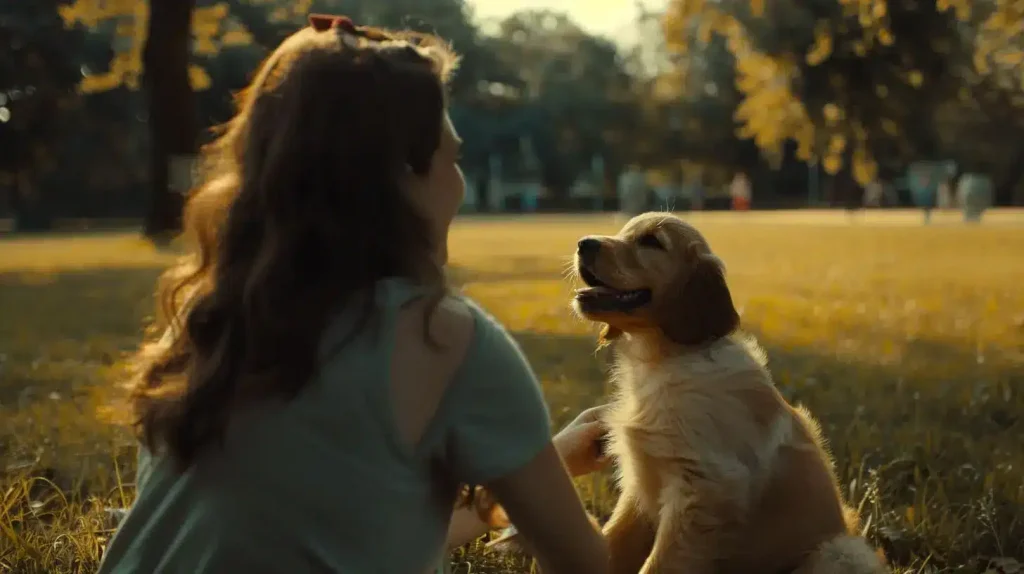
- Interactions with Other Dogs: Playdates or visits to dog parks allow puppies to learn appropriate canine body language and communication. These interactions teach them how to play gently, understand signals of submission or dominance, and develop critical social skills among their peers.
- Environmental Exposure: Taking your puppy on car rides, to parks, and even to hardware stores can help them become accustomed to new environments. Exposing them to various textures, sounds (like thunder or fireworks), and situations (like bicycles or skateboards) can build their confidence and resilience.
- Obedience Training: Enrolling your puppy in training classes promotes not only learning commands but also social interaction with other dogs and people in a controlled environment. These classes emphasize the importance of managing behavior while providing a rich social atmosphere.
Incorporating these opportunities for socialization into your puppy’s daily routine is instrumental in shaping their behavior and equipping them to face life’s challenges confidently. A well-socialized puppy is not just a joy to live with but grows into a well-adjusted adult dog capable of thriving in varied situations. By fostering these social experiences early on, you’re investing in a future of shared adventures and mutual happiness with your canine companion.
Socialization is a critical phase in a puppy’s development, encompassing their interactions with humans, other animals, and various environments. During this formative period, puppies learn essential skills that will shape their behavior throughout their lives. One of the most effective strategies for successful socialization is gradually exposing puppies to a variety of social situations while ensuring those experiences are positive and safe. This could include organized puppy classes, playdates with friendly, vaccinated dogs, and excursions to pet-friendly stores.Another important aspect of socialization is engaging with different people. Welcoming friends and family to meet the puppy can help them become accustomed to diverse voices, scents, and physical attributes. It is vital, however, to monitor the interactions to prevent overwhelming the little one. Short, but frequent, socialization sessions are preferred over extended exposure to new situations, particularly during the initial stages of development.The benefits of proper socialization extend far beyond mere familiarity. Puppies that undergo an enriching socialization process are generally more confident, less fearful, and better equipped to handle the stressors of life, such as vet visits or unfamiliar environments. Additionally, well-socialized puppies tend to exhibit superior behavioral traits, such as reduced aggression and anxiety, contributing to a more harmonious relationship with their owners.Incorporating consistent training alongside socialization reinforces positive behaviors. Basic commands learned in a social setting can enhance the bond between owner and pet, and help the puppy navigate various social situations with more ease. It’s also beneficial to expose puppies to different environments, including bustling urban areas and quiet parks, to broaden their adaptability and resilience.By understanding the importance of socialization in puppy development, owners can implement effective strategies that lay the groundwork for their pet’s mental and emotional well-being.
DISCOVER MORE: Click here to learn about effective training methods
Long-Term Benefits of Puppy Socialization
Socializing a puppy effectively is not merely about immediate behavior management; it lays the groundwork for a broad spectrum of long-term benefits that can significantly enhance both the dog’s quality of life and the experience of dog ownership. A well-socialized puppy is likely to grow into a confident and adaptable adult, equipping them to handle life’s unpredictable nature. But what are the specific advantages that stem from prioritizing socialization during a puppy’s formative years?
Reduction of Behavioral Problems
One of the primary benefits of extensive socialization is a marked reduction in behavioral problems. Dogs that have been effectively socialized are less prone to issues such as excessive barking, biting, or destructive behaviors. Exposure to varying environments and scenarios allows puppies to learn acceptable social behavior, minimizing the likelihood of developing anxiety or aggression as they grow older. According to a study published in the Journal of the American Veterinary Medical Association, dogs that undergo proper socialization during their critical periods demonstrate lower instances of reactive behaviors during their adult years.
Enhanced Emotional Stability
Beyond just behavior, socialization plays a vital role in fostering emotional stability. Puppies who are comfortable around diverse people, animals, and environments tend to be less fearful when confronted with novel situations later in life. This adaptability allows them to better manage stress and anxiety, contributing to healthier, more balanced emotional states. When exposed to non-threatening situations regularly, puppies can develop coping mechanisms that enable them to navigate challenges gracefully.
Building Stronger Bonds with Owners
Socialization also strengthens the bond between the puppy and its owner. Engaging in social activities together, such as puppy classes or group walks, cultivates shared experiences that foster trust and closeness. This connection translates into better communication and cooperation as the dog matures, enhancing the overall relationship. A study indicated that owners of well-socialized dogs report higher satisfaction in their pet ownership experience, noting enhanced willingness to follow commands and an overall affable demeanor when interacting with family and friends.
Increased Opportunities for Outings
A well-socialized dog opens numerous doors for outdoor adventures and outings. Whether it is a trip to the beach, a hike in the national parks, or a delightful day at a dog-friendly café, socially adept dogs can enjoy a wider range of experiences. Such outings not only enrich the dog’s life but also encourage active lifestyles for their owners, promoting mutual enjoyment and fulfillment.
Strengthening the Breed Community
Socialization contributes to a broader sense of community among dog owners. By attending training classes, participating in dog shows, or joining local dog clubs, individuals can connect with like-minded enthusiasts who share valuable experiences and resources. This network helps in advocating for responsible pet ownership and the importance of socialization, fostering a culture that prioritizes the mental and emotional well-being of dogs.
In summary, the importance of socialization in a puppy’s development cannot be overstated. The strategies and opportunities outlined earlier work hand-in-hand to foster a confident, adaptable, and well-mannered adult dog. By investing time and effort into proper socialization, owners not only pave the way for a joyful and harmonious home but also contribute positively to the broader canine community. As a result, the profound impact of socialization resonates well beyond the puppy stage, influencing a dog’s entire lifespan. It’s a commitment that endlessly enriches the bond between human and canine, ensuring lasting happiness for both parties in the journey of companionship.
DISCOVER MORE: Click here to learn about balanced nutrition for your pet’s health
Conclusion
In conclusion, the significance of socialization in puppy development is underscored by its wide-ranging benefits that extend far beyond the formative years of a dog’s life. By employing effective strategies—such as regular exposure to varied environments, people, and activities—owners can facilitate the growth of well-rounded pets who are not only more confident but also emotionally resilient. These socialized dogs are less likely to exhibit behavioral issues, demonstrating adaptability and ease in new or challenging situations.
As highlighted throughout this exploration, prioritizing socialization contributes to strengthening the bond between humans and their canine companions, leading to improved communication and mutual enjoyment of shared experiences. Engaging in activities together creates lasting memories, reinforcing trust and connection that stands the test of time.
Moreover, socially adept dogs open avenues for new adventures, enriching their lives and fostering a more active lifestyle for their owners. This becomes increasingly relevant as community connections are enhanced through participation in dog-related events and gatherings, promoting responsible pet ownership and a culture that champions the emotional well-being of all dogs.
As prospective puppy owners or seasoned dog lovers alike, it is essential to recognize that the investment in socialization is not just an early obligation but a lifetime commitment. By understanding and implementing effective socialization strategies, we are not only shaping happy, well-adjusted dogs but also contributing to a thriving canine community. The journey of socialization is one that promises lasting rewards, ensuring that we and our furry friends navigate life together in harmony.

Linda Carter
Linda Carter is a writer and pet care expert specializing in pet health, grooming, and wellness. With extensive experience helping pet owners create safe, loving, and enriching environments for their animals, Linda shares her knowledge on our platform. Her goal is to empower readers with practical advice and strategies to ensure their pets thrive and lead joyful, healthy lives.