The Role of Behavioral Training in the Rehabilitation of Rescued Animals

Understanding Animal Rehabilitation
Each year, countless animals find themselves rescued from harrowing situations of neglect, abuse, or abandonment. These rescued animals often carry emotional and physical scars that manifest in various behavioral challenges. Addressing these issues is not just a responsibility but a necessity for their recovery and future happiness.
The Importance of Behavioral Training
Effective behavioral training serves as the cornerstone of successful rehabilitation for rescued animals. It does more than teach them commands; it plays a critical role in rebuilding their trust and reinforcing positive relationships with their caregivers.
Key components of successful behavioral training include:
- Positive reinforcement: This technique involves rewarding animals with treats, affection, or praise when they exhibit desired behaviors. This not only encourages the behavior to be repeated but also fosters a safe and encouraging learning environment.
- Socialization: Introducing rescued animals to diverse settings, different people, and other animals is vital for their development. For instance, a formerly abused dog may initially react fearfully to strangers, but consistent exposure in a controlled manner can help them learn to interact positively.
- Consistency: The structure of regular training routines helps establish a sense of security for rescued animals. For example, setting a specific time each day for training can create a routine that the animal comes to expect, reducing anxiety related to unpredictability.
Recognizing Individual Needs
Behavioral issues in rescued animals can range from extreme fear to displays of aggression, making it essential to tailor training programs to meet the unique needs of each animal. A timid cat, for instance, may require a different approach compared to an exuberant puppy. Understanding the specific challenges—whether they be anxiety, trust issues, or learned aggression—enables trainers and caregivers to design interventions that address the root causes of these behaviors.
Impact Beyond the Animal
The effects of behavioral training extend beyond the individual animal’s well-being. When potential adopters engage with trained animals, they often learn the importance of patience, empathy, and commitment. This interaction not only facilitates a stronger emotional bond but also increases the likelihood of successful adoptions. Furthermore, potential owners become advocates for rescued animals, spreading awareness and encouraging a more compassionate approach to animal welfare within their communities.
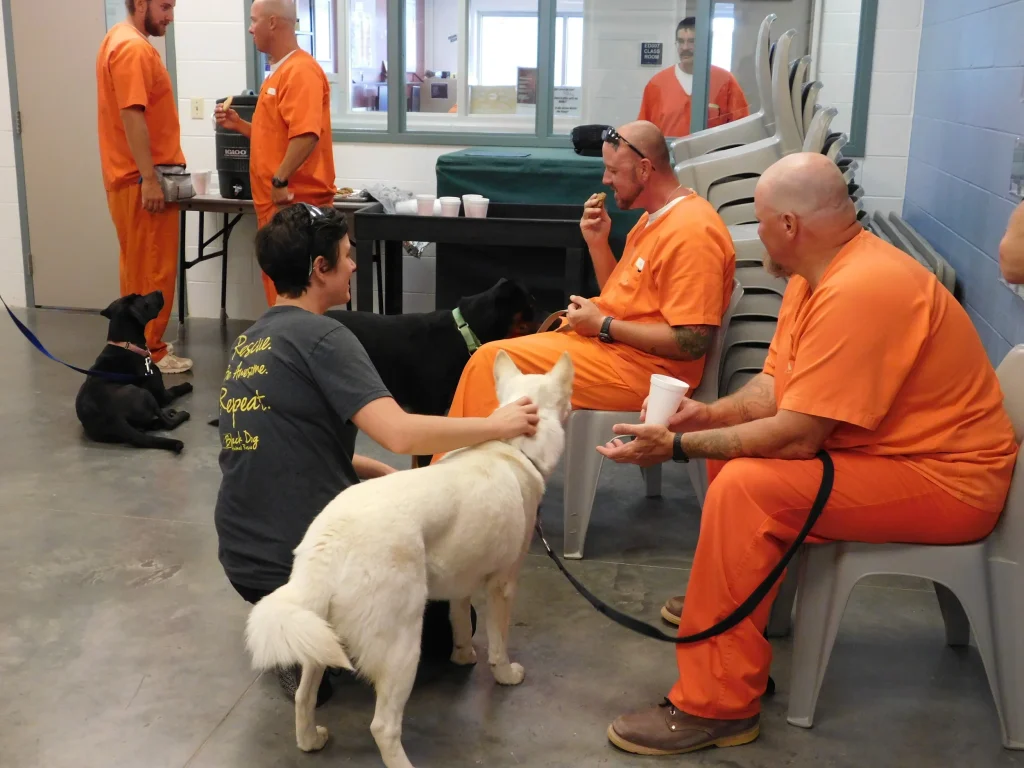
As we explore the methodologies and benefits of behavioral training, it becomes increasingly clear that this practice is not merely beneficial but profoundly transformative. By reconstructing lives—both animals and humans alike—communities that wholeheartedly embrace rescue initiatives foster not only a safe haven for vulnerable creatures but also a collective culture of compassion and responsibility.
DIVE DEEPER: Click here to learn more
Building Trust Through Training
In the realm of animal rehabilitation, behavioral training serves as a powerful mechanism to help rescued animals transition from distress to belonging. This process is not instantaneous; rather, it unfolds over time, requiring patience and dedication from both the trainers and the animals involved. The efficacy of this training lies in its ability to instill confidence and promote a sense of safety for animals who have experienced trauma.
One of the fundamental elements of behavioral training is the idea of trust-building. For many rescued animals, fear can stem from past experiences of mistreatment, making it essential for trainers to work delicately. A rescue dog, for instance, may flinch at sudden movements, signaling an ingrained fear of humans. Through slow, consistent training that utilizes approaches like desensitization and reward-based interactions, caring individuals can gradually teach these animals that not all human contact is harmful.
Key Techniques in Behavioral Training
To successfully rehabilitate rescued animals, several strategies can be employed, including:
- Clicker Training: This technique uses a small handheld device that makes a distinct sound, which trainers then pair with a reward. The sound becomes a marker for positive behavior, helping animals understand what actions are desirable.
- Desensitization: For animals that exhibit fear or aggression toward particular stimuli, such as loud noises or strangers, gradual exposure in a controlled manner can help them develop healthier responses over time.
- Basic Obedience Training: Teaching fundamental commands like “sit,” “stay,” and “come” not only puts the animal on a structured path to learning but also empowers the caregiver to manage the animal in different situations safely.
While these methods may seem straightforward, the underlying principles of timing, patience, and reinforcement play a crucial role in their success. The idea is not just to get the animal to obey commands but to create a solid foundation of mutual respect and understanding between the animal and their human companions.
Progress Evaluation and Adaptation
Behavioral training is an iterative process, requiring constant evaluation of progress. Trainers and caregivers must regularly assess the animal’s reactions and adapt their techniques accordingly. A strategy that proves effective for one animal may be ineffective for another, highlighting the importance of a personalized approach. This adaptability ensures that trainers remain attuned to the animal’s evolving needs, allowing for what is best described as a collaborative journey toward healing.
Ultimately, the role of behavioral training in the rehabilitation of rescued animals transcends mere obedience. It equips them with the skills necessary for successful social integration and enhances their overall quality of life. As we delve deeper into this topic, we will uncover the profound impacts that these training methodologies have on both the animals themselves and the communities surrounding them. Through understanding the dynamics of behavioral training, we can better appreciate its transformative power in restoring hope and happiness for countless rescued animals waiting for their forever homes.
| Advantages | Description |
|---|---|
| Increased Trust | Behavioral training fosters a bond between trainers and animals, crucial for their healing process. |
| Improved Socialization | Training programs encourage interaction with humans and other animals, reducing anxiety and fear. |
| Enhanced Lifelong Skills | Behavioral techniques introduce skills that aid in adoption, ensuring successful integration into new homes. |
| Behavioral Modification | Rehabilitative training addresses issues like fear and aggression, paving the way for positive changes. |
The advantages of behavioral training are crucial in the effective rehabilitation of rescued animals. Increased trust is fundamental for these animals; training nurtures a bond that not only aids in their recovery but significantly enhances their overall well-being. Improved socialization is another essential benefit, as it alleviates the fear and anxiety these animals may have towards humans and their surroundings. This can lead to healthier interactions, reducing aggressive behaviors often seen in frightened animals.Moreover, behavioral training equips these rescues with lifelong skills that make the adoption process smoother. By instilling positive behaviors, trainers prepare these animals for their new homes, increasing their chances of permanent placement. Finally, through these methods, behavioral modification tackles underlying issues, such as fear-based reactions, facilitating a smoother transition from rescue to recovery. Exploring these facets illustrates how vital behavioral training is in the journey of rehabilitating rescued animals.
DISCOVER: Click here to learn how nutrition impacts your pet’s mental health
Long-Term Outcomes of Behavioral Training
The impact of behavioral training on rescued animals extends far beyond the immediate benefits of trust building and basic obedience. As training progresses, animals begin to exhibit significant improvements in their social behavior, adaptability, and overall emotional health. Such outcomes underscore the vital role that structured training plays in ensuring these animals not only survive but thrive in their new environments.
Socialization and Its Importance
One of the primary goals of behavioral training in rehabilitation is to foster socialization. Through guided interactions with both humans and other animals, rescued animals learn essential social cues and acceptable behaviors. For instance, a previously fearful cat that learns to engage with other cats in a controlled environment can become less aggressive and more playful, paving the way for easier integration into a family setting.
This process is particularly crucial in the United States, where animal shelters often house a diverse range of breeds and temperaments. According to the ASPCA, over 3.3 million cats and dogs enter U.S. animal shelters each year, and many come from backgrounds that include neglect or abuse. In such cases, exposure to positive social experiences can drastically alter a rescued animal’s trajectory. The gradual introduction of canine companions in a positive environment has shown to reduce anxiety in rescued dogs, making them more approachable and adoptable.
Coping Mechanisms: From Fear to Resilience
Another significant benefit of behavioral training is its role in teaching rescued animals effective coping mechanisms. Animal behaviorists emphasize resilience as a key component of a well-adjusted animal. Training sessions incorporating techniques such as counter-conditioning can shift their responses from fear to curiosity. For example, a dog that previously reacted fearfully to thunderstorms can be trained to associate the sound with treats and praise, effectively transforming a traumatic experience into a positive one.
Training can also involve environmental enrichment, including toys, puzzles, and games that stimulate mental activity. These activities not only alleviate boredom but also bolster the animal’s problem-solving abilities, promoting independence and improving their adaptability to new surroundings. In fostering emotional resilience, behavioral training promotes long-term well-being and reduces the likelihood of behavioral issues that may arise post-adoption.
The Role of Community in Rehabilitation
The successful integration of behavioral training into the rehabilitation of rescued animals often extends beyond individual trainers and shelters. Community involvement plays a vital role in providing resources, knowledge sharing, and support systems for both trainers and animal caretakers. Initiatives such as local training workshops, support groups for pet owners, and partnerships with veterinarians create a strong network that can enhance the efficacy of rehabilitation efforts.
Moreover, awareness campaigns focused on the importance of behavioral training encourage prospective adopters to adopt animals equipped with the skills for healthy interactions. This communal shift towards understanding and implementing training techniques fosters a culture that values animal well-being and responsible pet ownership. With continued emphasis on education and community involvement, the long-term success of rescued animals can be greatly enhanced.
Behavioral training proves to be a cornerstone in the rehabilitation process of rescued animals, shaping their journeys from fear to loving companionships. The holistic approach that combines trust-building, socialization, coping strategies, and community support creates transformative experiences. This ongoing pursuit not only enriches the lives of rescued animals but also strengthens communities, making them vibrant and compassionate centers for animal welfare.
LEARN MORE: Click here to learn how to prepare your pet
Conclusion: Fostering Positive Futures Through Behavioral Training
The role of behavioral training in the rehabilitation of rescued animals is indispensable, providing these vulnerable beings with a pathway to recovery and lifelong companionship. This comprehensive approach not only addresses the immediate behavioral challenges faced by rescued animals but also lays a foundation for emotional resilience and adaptability. As we have seen, effective training promotes socialization, teaching animals vital skills for interaction with humans and other pets. This transformation is particularly crucial when considering that millions of animals enter shelters each year, often carrying the scars of neglect or abuse.
Moreover, the implementation of coping mechanisms through behavioral training offers profound improvements in an animal’s quality of life. The shift from fear to curiosity allows animals to embrace their new environments with confidence, thus reducing anxiety and promoting better behavior in their homes. As such, trainers and caretakers play a pivotal role in creating harmonious relationships between rescued animals and their future families.
Lastly, the success of these training initiatives heavily relies on community involvement. By fostering collaboration among shelters, trainers, and animal advocates, we can enhance the support systems available for both the animals and their new families. Encouraging public awareness and engagement creates a more responsible culture around pet ownership and animal welfare.
In conclusion, as we continue to explore the intersection of behavioral training and animal rehabilitation, it is essential to recognize that every rescued animal deserves a second chance. By continuing our commitment to education, community support, and innovative training techniques, we can ensure that these animals not only survive but thrive, enriching our lives alongside them.

Linda Carter
Linda Carter is a writer and pet care expert specializing in pet health, grooming, and wellness. With extensive experience helping pet owners create safe, loving, and enriching environments for their animals, Linda shares her knowledge on our platform. Her goal is to empower readers with practical advice and strategies to ensure their pets thrive and lead joyful, healthy lives.