The Importance of Proper Nutrition for Pet Health
The Importance of Balanced Pet Nutrition
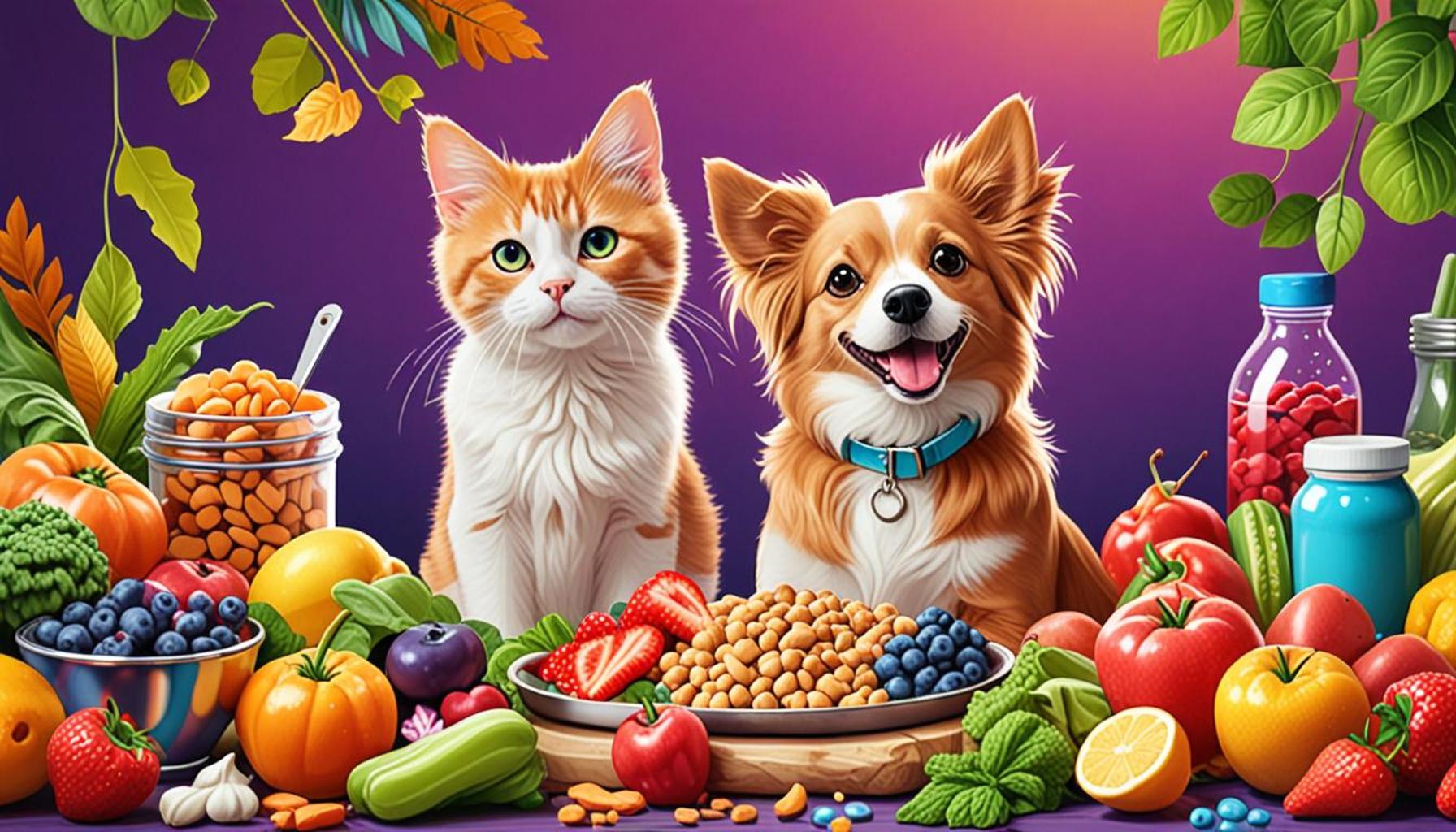
Providing your furry companions with a well-rounded diet is a cornerstone of responsible pet ownership. Proper nutrition is not just about filling the bowl; it is crucial for your pet’s overall health and longevity. A balanced diet ensures that pets enjoy energy, vitality, and a robust immune system, while also playing a significant role in preventing chronic illnesses and disorders.
Factors Influencing Dietary Needs
When selecting nutrition for your pet, there are several key factors to bear in mind:
- Age: Different life stages require distinct nutritional profiles. For example, puppies and kittens need diets rich in protein and calories to support their rapid growth and development, while senior pets typically require lower calorie content and higher fiber to manage their weight and promote digestive health.
- Breed: Nutritional requirements can vary significantly between dog and cat breeds. Large breeds, such as Great Danes, may require diets formulated to support joint health due to their heavier frames, whereas small breeds like Chihuahuas may need calorie-dense foods to meet their high energy levels in smaller portions.
- Health Conditions: Just like humans, pets may face unique health challenges that necessitate tailored nutrition. For instance, pets with diabetes might benefit from a high-fiber diet to help regulate blood sugar levels, while those with kidney disease may require a diet low in protein and phosphorus.
Benefits of a Well-Balanced Diet
A nutritious diet can profoundly impact various aspects of your pet’s health:
- Healthy Skin and Coat: Incorporating essential fatty acids, such as Omega-3 and Omega-6, into your pet’s diet leads to a shiny and healthy coat while also alleviating skin irritations.
- Strong Immune System: A diet rich in essential vitamins such as A, C, and E, along with minerals like zinc and selenium, equips your pet’s immune system to combat infections and illnesses effectively.
- Optimal Weight: Maintaining a healthy weight is crucial in preventing obesity-related conditions such as diabetes, arthritis, and heart disease. A balanced diet combined with appropriate portion sizes helps sustain an ideal weight.
Navigating the Pet Food Landscape
In the United States, pet owners are presented with an overwhelming array of pet food choices ranging from commercial kibble and canned options to raw diets and homemade meals. To make informed choices, it is vital to educate yourself about pet nutrition. Researching ingredient quality, understanding pet food labels, and recognizing the various dietary options available will empower you to make decisions that enhance your pet’s well-being.
Furthermore, consulting with a veterinarian can provide personalized recommendations based on your pet’s specific needs, ensuring the best path to their health and happiness. Exploring the intricate components of proper nutrition is a rewarding endeavor that ultimately reflects the love and care you extend to your cherished companions.

LEARN MORE: Click here for essential nutrition strategies
Understanding Pet Nutrition: A Vital Component of Health
To ensure your pets lead healthy and happy lives, understanding proper nutrition is essential. Just like humans, pets require a variety of nutrients to thrive. A well-balanced diet provides not only energy but also supports key bodily functions. With the plethora of pet food options available, pet owners may find themselves overwhelmed, navigating through colorful packaging and marketing claims. However, the foundation of pet health rests on more than what meets the eye; it is about meeting the specific needs of your pet through careful consideration of their dietary requirements.
The Core Nutrients Your Pet Needs
When examining the significance of nutrition, it is imperative to understand the core nutrients that your pet needs:
- Proteins: Essential for growth, cell repair, and maintenance of body tissues. Proteins are the building blocks of muscles, and pets require adequate amounts of animal-based proteins to ensure optimal health.
- Carbohydrates: Though often misunderstood, carbohydrates provide a ready source of energy. While not as crucial as proteins, they can contribute to digestive health when sourced from whole grains and vegetables.
- Fats: Important for energy, fat aids in the absorption of fat-soluble vitamins and contributes to a glossy coat and healthy skin. Essential fatty acids like Omega-3 and Omega-6 play significant roles in inflammation control.
- Vitamins and Minerals: These micronutrients support numerous bodily functions, from immune response to bone health. Vitamins A, B, D, E, and K, along with minerals such as calcium and phosphorus, should be incorporated into your pet’s diet.
- Water: Often overlooked, water is crucial for maintaining hydration and supporting overall bodily functions. Adequate water intake should be a priority, especially in dry pet food diets.
The Role of Quality Ingredients
Selecting high-quality ingredients is fundamental when it comes to feeding your pet. Just as humans benefit from fresh, nutrient-dense foods, pets thrive on similar principles. Opting for pet food with real meat as the primary ingredient, whole grains, and fresh fruits and vegetables can greatly enhance your pet’s nutritional profile. Look for options that provide complete and balanced nutrition, as labeled by the Association of American Feed Control Officials (AAFCO), to ensure they meet the dietary guidelines set forth for your pet’s species and life stage.
Another consideration is the presence of fillers and by-products in various pet foods. These often provide little nutritional value and should ideally be minimized in favor of wholesome ingredients. Considering your pet’s unique needs, preferences, and any food allergies or sensitivities will also allow you to craft the best dietary approach for their overall health.
By delving into the nuances of proper nutrition, you can better appreciate the profound impact it can have on your pet’s health. This exploration is not just a matter of choice; it embodies the love and commitment you have for your cherished companion.
The Importance of Proper Nutrition for Pet Health
Optimal nutrition is the foundation of a pet’s health and well-being. Just like humans, animals require a balanced diet to thrive. This section delves deeper into the significance of proper nutrition for pets, emphasizing the crucial role it plays in their overall quality of life, vitality, and longevity. It’s essential to understand that every pet is unique, and their nutritional needs can vary significantly depending on their species, breed, age, and health condition.
| Advantage | Explanation |
|---|---|
| Weight Management | Proper nutrition helps maintain a healthy weight, reducing the risk of obesity-related illnesses. |
| Boosted Immunity | A balanced diet rich in vitamins and minerals enhances the immune system, enabling pets to fend off diseases more effectively. |
| Improved Digestion | High-quality foods aid in better digestion and nutrient absorption, promoting gut health and preventing gastrointestinal issues. |
| Healthy Skin and Coat | Nutrition rich in fatty acids and proteins contributes to a shiny coat and healthy skin, reducing issues like allergies and irritations. |
Choosing the right food involves understanding pet-specific dietary requirements. For instance, puppies and kittens need more than just basic nutrients; they require foods that support growth and development. On the other hand, senior pets often benefit from diets tailored to support aging joints and digestive health. The role of nutrition can’t be overstated; it is intertwined with their behavior, energy levels, and overall health. Consequently, pet owners are encouraged to consult with veterinarians or pet nutritionists to create a tailored feeding plan that underscores the fundamental nature of proper nutrition in preserving their pet’s happiness and vitality.
DON’T MISS: Click here to learn how to help your pet adjust
The Consequences of Poor Nutrition: Health Issues and Beyond
Understanding proper nutrition for pets is not solely about providing the right types of food; it is also essential to recognize the potential consequences of neglecting dietary needs. Feeding pets inadequate or imbalanced diets can lead to a plethora of health issues that impair their well-being and quality of life. Over time, improper nutrition can manifest in serious medical conditions, which can be costly and distressing for both the pet and the owner.
Common Health Issues Resulting from Poor Nutrition
Several health problems have been directly linked to improper nutritional practices:
- Obesity: One of the leading health issues in pets, obesity is often the result of overfeeding, lack of exercise, and feeding low-quality food that is high in fillers and empty calories. Obese pets face a higher risk of joint problems, diabetes, and heart disease, leading to reduced lifespan and overall quality of life.
- Digestive Disorders: Feeding pets diet plans that lack dietary fiber or essential nutrients can lead to digestive issues, such as constipation or diarrhea. A balanced diet rich in fiber can actually promote better digestion and absorption of nutrients, leading to healthier overall gut health.
- Allergies and Skin Conditions: An imbalanced diet may contain common allergens that can trigger skin irritations or allergies in pets. Ingredients such as certain grains, soy, or artificial additives can be culprits. Identifying and eliminating these from the diet can lead to significant improvements in skin health and comfort.
- Dental Problems: Many pets face dental issues due to the lack of proper nutrition. Chewing on hard kibble can help with tartar control, but a diet low in nutrients may still lead to gum disease and bad breath. Incorporating dental treats or supplements can also provide additional support.
- Nutritional Deficiencies: Just like humans, pets can suffer from diseases related to a deficiency in essential nutrients. For example, a lack of certain vitamins, minerals, or amino acids can lead to weakened immune systems, stunted growth in puppies and kittens, and other long-term health issues.
The Psychological Impact of Proper Nutrition
The repercussions of nutrition extend beyond physical health; they also affect a pet’s mental and emotional well-being. Pets that receive a nutritionally balanced diet display improved energy levels and behaviors. Many pet owners may find that their furry companions are more playful, attentive, and less irritable when their dietary needs are met. On the contrary, pets consuming poor quality or imbalanced diets might exhibit lethargy or behavioral issues, creating a ripple effect in the household dynamic.
Moreover, nutrition influences the development of pets from puppy or kitten to adulthood. Optimal nutrition is especially crucial in the early stages of life, where growth spurts require specific dietary support. For example, puppies and kittens need higher protein levels and caloric intake than their adult counterparts to indulge in their energetic lifestyles and facilitate proper development.
Staying Informed: The Responsibility of Pet Owners
Pet owners play a crucial role in understanding the fundamentals of pet nutrition and seeking reliable sources for guidance. Consulting with veterinarians and pet nutrition specialists can provide personalized dietary plans tailored to your pet’s unique needs. Additionally, remaining informed about nutritional trends and evolving research can empower you to make choices that profoundly influence your pet’s health.
Ultimately, the importance of proper nutrition cannot be overstated. By investing time and resources in understanding and implementing a balanced diet, pet owners can help foster longer, healthier lives for their beloved companions. This type of commitment not only enhances the physical attributes of pets but can also nurture a more profound bond between pets and their human families.
LEARN MORE: Click here for essential tips
Final Thoughts: Nurturing Pets Through Proper Nutrition
As we have explored, the significance of proper nutrition for pet health extends far beyond mere sustenance. A well-balanced diet is fundamental in safeguarding your pet’s physical well-being, preventing a range of health issues that can significantly impact their quality of life. Moreover, it influences their mental and emotional states, fostering happier and more vibrant companions. By understanding the intricate relationship between nutrition and overall health, pet owners can make informed decisions that enhance their pets’ vitality.
Investing in high-quality, appropriately formulated food tailored to your pet’s species, age, and health status can lead to improved longevity and lower veterinary costs in the long run. As you navigate the sea of dietary options, consult with professionals who can provide tailored advice designed for your unique pet. Remember, nutrition plays a pivotal role in building a loving and rewarding relationship with your furry friend.
In essence, the path to a healthy, energetic, and joyful pet experience begins with conscious dietary choices. Staying informed and proactive about pet nutrition not only fortifies your pet’s health but also fortifies the bond shared between pets and their humans. As you prioritize your pet’s well-being, their happiness—and yours—will undoubtedly flourish in tandem.

Linda Carter
Linda Carter is a writer and pet care expert specializing in pet health, grooming, and wellness. With extensive experience helping pet owners create safe, loving, and enriching environments for their animals, Linda shares her knowledge on our platform. Her goal is to empower readers with practical advice and strategies to ensure their pets thrive and lead joyful, healthy lives.