The Effects of Having Pets on Reducing Loneliness Among the Elderly
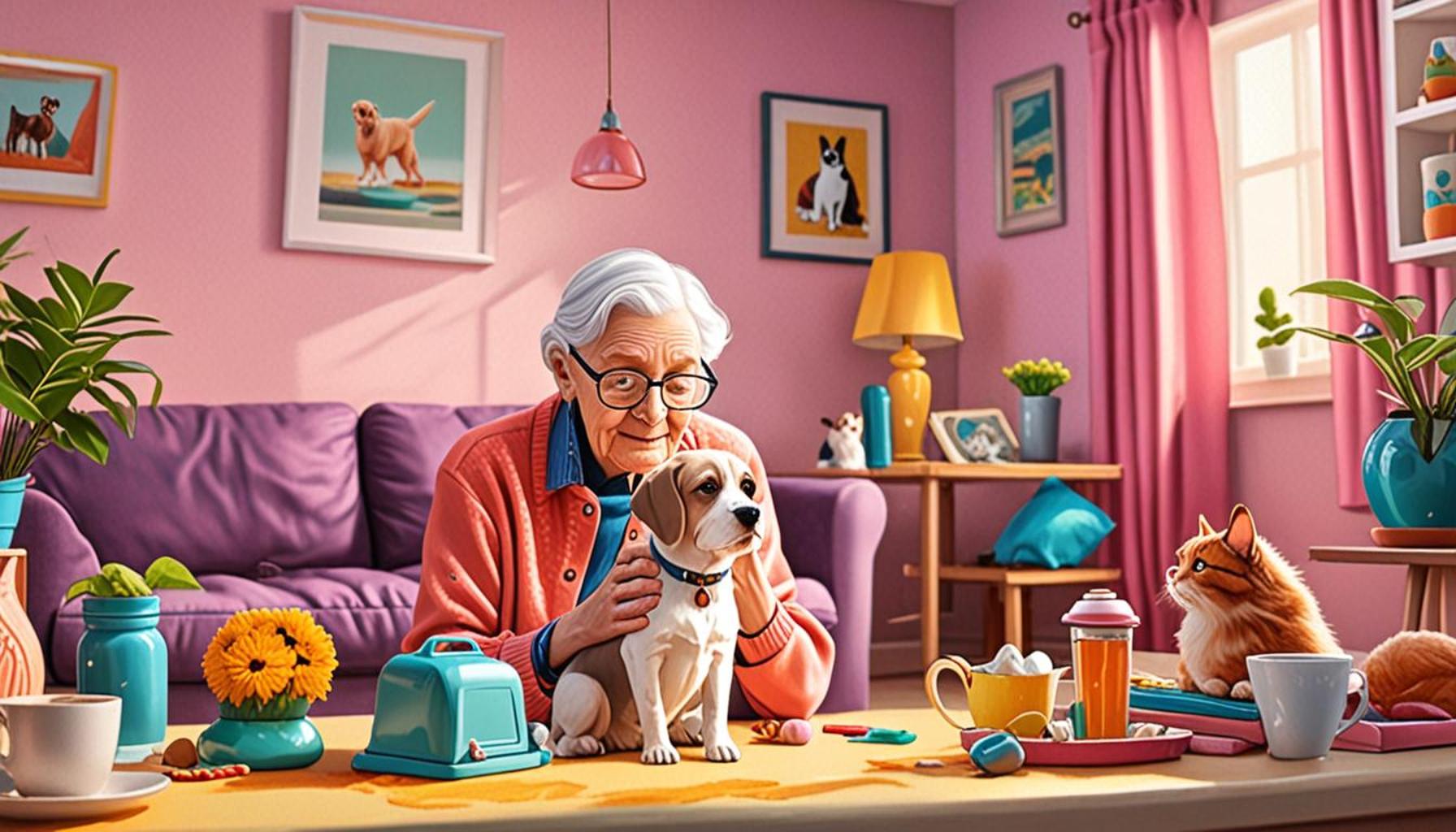
The Importance of Pets in Alleviating Loneliness Among the Elderly
As individuals welcome the golden years of their lives, they often face a rising tide of loneliness that can adversely affect both mental and physical health. In the United States, studies reveal that a staggering number of elderly individuals experience feelings of social isolation, which may lead to serious health complications. Nonetheless, the companionship offered by pets can serve as an effective antidote to this growing dilemma, fostering connection and improving quality of life.
The Connection Between Pets and Emotional Well-being
The bond between pets and their owners transcends mere companionship; it significantly enhances the emotional and psychological well-being of the elderly. The following key benefits illustrate this transformative relationship:
- Companionship: Pets offer an unwavering presence, providing comfort and reducing feelings of abandonment. The bond created through pet ownership often fills emotional voids, helping individuals feel valued and loved, even during the quiet moments.
- Social Interaction: Owning a pet can spark conversations and interactions within the community. For example, walking a dog can lead to friendly exchanges with neighbors or fellow dog owners, helping to build a sense of belonging and community support.
- Activity Increase: Caring for pets necessitates physical activity and establishes a daily routine. Tasks such as feeding, grooming, and exercising a pet can motivate elderly individuals to engage in movement, thereby promoting better physical health and well-being.
Research consistently underscores the correlation between pet ownership and improved mental health among the elderly. A study published in the Journal of the American Geriatrics Society found that seniors with pets often report markedly lower levels of loneliness and depression. These furry companions can effectively bridge emotional gaps for those who find it difficult to connect with people due to mobility issues or other limitations.
Furthermore, the act of caring for a pet can instill a sense of purpose and responsibility. The daily routines established through pet care can help instill discipline, bringing structure to what might otherwise be lonely days. Engaging in activities with pets can also release endorphins, those feel-good hormones that enhance mood and promote overall happiness.
Encouraging Further Exploration
Understanding the multifaceted relationship between pets and emotional health invites more profound exploration. What specific influences do pets have on the lives of elderly individuals, and how can society better support this bond? This article invites readers to delve deeper into the transformative effects of pet ownership on the elder community. Through various stories, case studies, and research findings, we can uncover the profound impacts of having a furry friend, exploring how pets not only enrich lives but can also serve as vital companions in the journey against loneliness.
As communities strive for inclusivity and support for the elderly, recognizing the role of pets could be a key part of creating a more connected and happier aging population. Whether it’s through adopting pets from local shelters or creating pet-friendly community programs, the conversation about pets as companions for the elderly is worth continuing. Every moment shared with a pet could be another moment filled with joy, purpose, and connection.
DON’T MISS: Click here for essential tips
The Role of Pets in Enhancing Social Connections
Pets not only provide companionship; they also play a crucial role in enhancing social connections for the elderly. As many seniors experience diminishing social networks due to retirement, the loss of friends, or physical limitations, having a pet can serve as a bridge to facilitating interaction with others. Through pets, seniors are often able to create and maintain relationships that would otherwise be challenging. The companionship of pets can lead to opportunities for socializing, whether through casual conversations with neighbors or participation in community activities.
One of the most remarkable aspects of pet ownership is the universal appeal that pets have in fostering communication. Elderly individuals may find it easier to engage with others when they are accompanied by a pet. A simple walk in the neighborhood or a trip to a pet park can become a social occasion, serving as an icebreaker for conversations. Whether it’s sharing tips about pet care or discussing adorable pet antics, these interactions can transform isolated moments into opportunities for meaningful social connections.
- Common Interests: Shared love for animals can lead to friendships among pet owners, fostering a sense of belonging and community.
- Community Events: Many communities organize pet-focused events, such as adoption days, dog parades, and training classes, which not only promote pet welfare but also bring together individuals of all ages.
- Volunteering Opportunities: Seniors can engage with local shelters or animal rescue organizations, offering their time to help care for animals. This not only aids the organization but also creates new friendships and networks.
A growing body of research highlights these social benefits associated with pet ownership. According to a study published in the journal Anthrozoös, elderly individuals who own pets have higher levels of social support and community engagement compared to those without pets. The emotional bond developed with an animal can often act as a conversation starter, breaking down barriers and creating avenues for engagement with others.
Moreover, the responsibilities tied to pet care—feeding, grooming, and providing exercise—also contribute to a more active lifestyle. For many seniors, these activities not only serve as a natural incentive to get outside but also increase the likelihood of meeting and interacting with fellow pet owners. This dynamic reinforces the importance of motivation for physical activity, contributing to both social well-being and physical health.
Understanding the Psychology Behind the Bond
The psychological impact of owning pets is profound and multifaceted. Research indicates that interacting with pets can stimulate the release of oxytocin, often referred to as the “bonding hormone,” which enhances feelings of love and connection. This hormonal response is similar to what occurs during positive social interactions with humans, further emphasizing the value of pets in combating loneliness. The warm companionship of a pet can provide emotional solace during periods of grief or distress, enabling elderly individuals to cope with life changes more effectively.
As communities seek to support their aging populations, recognizing the significance of pets in improving social dynamics and emotional well-being must become a priority. The exploration of this topic can pave the way for innovative programs and policies that enhance the lives of seniors and their beloved companions, leading to a more connected and resilient community.
The Effects of Having Pets on Reducing Loneliness Among the Elderly
The phenomenon of loneliness among the elderly has gained significant attention in recent years, particularly as demographics shift and more people reach advanced ages. An engaging and compelling solution to this issue lies in the companionship provided by pets. Various studies have indicated that pet ownership can enhance emotional well-being, offering vulnerable seniors a sense of purpose and connection.One of the primary advantages of having pets is the undeniable emotional support that animals provide. Pets can become confidants, providing comfort during times of distress. The simple act of petting a dog or cat can trigger the release of serotonin and dopamine, hormones that promote feelings of happiness and reduce feelings of anxiety. Moreover, pets facilitate social interaction. Seniors who own pets often find themselves engaging with fellow pet owners during walks in the park or at veterinary visits, nurturing new friendships that might not have otherwise developed. This increased social engagement can lead to a strengthened community network, combating social isolation. In addition to emotional benefits, pets can also encourage physical activity. Dogs, in particular, require regular walks, which not only helps keep the animals fit but also promotes a healthier lifestyle for their owners. Regular physical activity has been linked to improved mental health, adding another layer of positive impact on loneliness.Furthermore, pets contribute to routine and structure in the lives of elderly individuals. Caring for a pet necessitates a schedule, providing seniors with a sense of responsibility and daily purpose. This structure can greatly enhance life satisfaction and overall happiness.As the bond between pets and their owners deepens, the emotional rewards further escalate. There is even evidence to suggest that seniors who own pets require fewer healthcare services, illustrating a potential economic benefit for both individuals and healthcare systems.Finding companionship in pets highlights a non-traditional yet effective strategy for alleviating loneliness among the elderly. As society continues to confront the implications of an aging population, understanding and embracing the positive impact of pet ownership becomes increasingly vital.
| Advantages | Details |
|---|---|
| Emotional Support | Pets provide comfort, triggering the release of happiness hormones. |
| Social Interaction | Pet ownership encourages connections with fellow pet owners and nurtures friendships. |
| Physical Activity | Pets motivate their owners to be more active, improving overall health. |
| Routine and Structure | Pets provide a sense of responsibility, enhancing life satisfaction. |
The interplay between pets and loneliness reduction unveils a vast and enriching landscape. Further exploration into how we can leverage this bond can potentially lead to transformative changes in elder care practices and policies.
DISCOVER MORE: Click here to learn about the mental health benefits of outdoor activities with your pets</
The Therapeutic Benefits of Pet Ownership
Beyond bolstering social connections, pet ownership also offers numerous therapeutic benefits that can significantly contribute to reducing loneliness among the elderly. The presence of pets can have a calming effect, mitigating feelings of sadness and anxiety. Just petting an animal can lead to a reduction in heart rates and blood pressure, promoting relaxation and creating an overall sense of well-being. This physiological response is beneficial for seniors who may struggle with the emotional weight of loneliness and isolation.
Research from the American Psychological Association underscores the mental health improvements associated with pet ownership for older adults. Findings suggest that seniors who have pets report lower levels of depression and a greater overall life satisfaction than those without animals. This trend is especially apparent among those facing major life transitions, such as bereavement or moving to an assisted living facility. The consistent companionship from a pet can serve as a buffer against these feelings of loss, creating a sense of purpose and promoting routine.
- Routine and Responsibility: Caring for a pet instills a daily routine that can help stabilize mood and rhythm in the lives of elderly individuals. This can be vital for those struggling with the unpredictability of loneliness.
- Natural Mood Lifters: Interacting with pets has been found to increase levels of serotonin and dopamine, neurotransmitters that enhance mood and promote feelings of happiness.
- Enhanced Physical Activity: Walking or playing with a pet also encourages physical activity, which is known to release endorphins—natural stress relievers that elevate mood.
The impact of animals on mental health is further corroborated by a study published in the Journal of Community Psychology, which found that seniors who owned pets had significantly lower stress levels and reported fewer feelings of loneliness. This emotional uplift can stem from various factors: the unconditional love that pets offer, their non-judgmental presence, and the joy derived from their playful antics. The synergy between pet ownership and psychological health is undeniable, fostering a nurturing environment for seniors.
Therapeutic Programs Integrating Animal Companions
Recognizing the multifaceted benefits of pet ownership, several communities across the United States have established programs aimed at integrating animals into senior care settings. Animal-assisted therapy (AAT) has gained popularity, whereby trained animals are used in therapeutic settings to help improve the emotional and psychological well-being of individuals. This concept extends beyond traditional pet ownership, facilitating the bond between pets and seniors in assisted living environments.
For instance, programs where therapy dogs visit nursing homes allow residents to interact with animals without the commitment of ownership. These visits can brighten the day of seniors, sparking conversations and encouraging smiles. Additionally, some facilities have begun incorporating resident animals into their daily activities, creating opportunities for residents to bond over shared pet care tasks, fostering community, and reducing feelings of isolation.
With ongoing studies emphasizing the positive influence of pet companionship, it is growingly evident that integrating animals into the lives of seniors offers not just companionship, but also significant therapeutic benefits. Advocating for such initiatives may significantly enhance the memory, mental health, and overall happiness of elderly populations across the nation.
CHECK OUT: Click here to ensure your pet feels at home
Conclusion
In summary, the effects of having pets on reducing loneliness among the elderly are profound and multifaceted. As explored, pet ownership provides not only a source of companionship but also contributes significantly to the emotional, psychological, and physical well-being of older adults. The therapeutic benefits found in the simple acts of petting or playing with an animal can mitigate feelings of isolation, engender a sense of routine, and create opportunities for joy and engagement in daily life. Furthermore, the rise of programs integrating animals in senior care exemplifies a growing recognition of these benefits, allowing non-pet owners to experience the uplifting effects of animal companionship.
The data presented from reputable sources, such as the American Psychological Association and the Journal of Community Psychology, underscores the noticeable decrease in loneliness, stress levels, and depressive symptoms among pet owners. As our society continues to face the challenge of an aging population, fostering connections between pets and the elderly can lead to innovative solutions that promote mental health and emotional resilience.
As we advocate for the inclusion of pets in the lives of seniors, it ultimately leads us to reconsider how we view aging, companionship, and community support. Ensuring elderly individuals have access to pet ownership or therapeutic animal interactions not only fosters happiness but enhances overall quality of life. As research continues to affirm the value of these relationships, strategic initiatives can lead to lower isolation rates and empower our elderly population to thrive amidst the trials of loneliness.

Linda Carter
Linda Carter is a writer and pet care expert specializing in pet health, grooming, and wellness. With extensive experience helping pet owners create safe, loving, and enriching environments for their animals, Linda shares her knowledge on our platform. Her goal is to empower readers with practical advice and strategies to ensure their pets thrive and lead joyful, healthy lives.